Introduction
Hair transplantation has become one of the most successful and widely performed cosmetic procedures today, especially in Turkey, which is considered a global destination for this type of treatment.
However, one question worries most patients after the procedure:
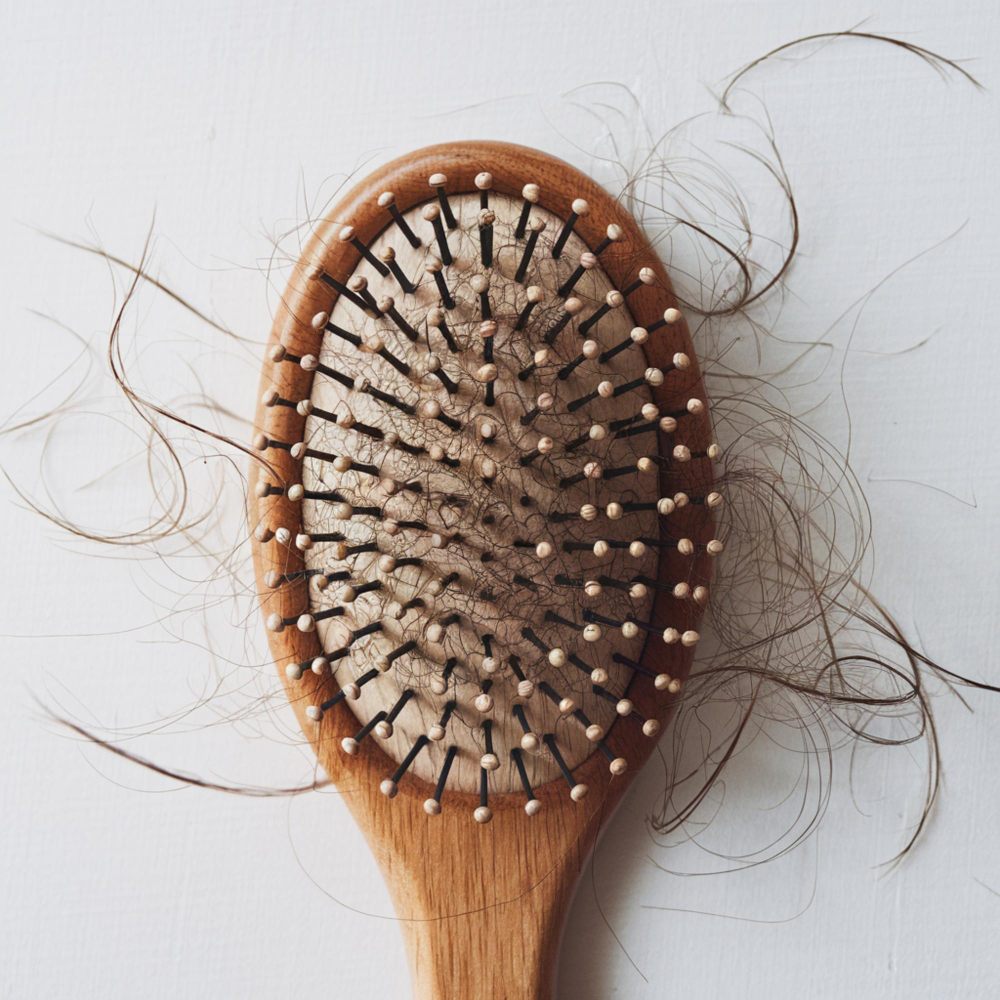
Is hair shedding after a hair transplant normal? Or could it be a sign that the procedure has failed?
In this comprehensive guide, we will explain in detail:
Why hair shedding occurs after a hair transplant
What the Shock Loss phase is
When transplanted hair begins to grow
What percentage of shedding is considered normal
When you should be concerned
How to choose the best hair transplantation clinic to avoid complications
Is Hair Shedding After a Hair Transplant Normal?
Yes ✅
Shedding of transplanted hair during the first weeks after surgery is completely normal and medically known as:
Shock Loss (Shock Loss)
This temporary phase occurs because:
Hair follicles move from one environment to another
They experience a mild surgical shock
They enter the resting phase of the hair cycle (Telogen Phase)
⚠️ The most important thing to understand is:
Only the hair shaft falls out, while the follicle remains safely implanted inside the scalp.
What Is the Shock Loss Phase?
After a hair transplant procedure using techniques such as FUE (Follicular Unit Extraction) or DHI (Direct Hair Implantation), the transplanted follicles go through several stages.
Week 1
Mild redness
Small surface scabs
Almost no hair shedding
Week 2 – Week 4
Transplanted hairs begin to shed
Around 70–90% of transplanted hairs may fall out
Month 2 – Month 3
The scalp may look as if the transplant did not work
This stage is completely normal
Month 3 – Month 4
New hair begins to grow
The hair is usually thin and soft
Month 6
Noticeable improvement in density
Hair strands become thicker
Month 9 – Month 12
Final results are nearly achieved
Why Does Hair Shed After a Hair Transplant?
When follicles are moved from the donor area (Donor Area) to the recipient area (Recipient Area), they temporarily enter a resting stage due to several biological reasons:
Changes in blood supply
Mild inflammatory response
Resetting of the hair growth cycle (Hair Growth Cycle)
This process is completely natural and part of normal hair physiology.
Can Existing Hair Around the Transplant Area Also Fall Out?
In some cases, nearby natural hair may also experience temporary shedding. This can happen if:
The original hair follicles are weak
The patient has active genetic hair loss (Androgenetic Alopecia)
Supportive treatments like Minoxidil (Minoxidil) are not used
Fortunately, this type of shedding is usually temporary.
When Should You Be Concerned?
Although hair shedding is normal, you should consult your doctor if:
Shedding continues after month four without any new growth
Severe inflammation appears
Persistent pain or unusual discharge occurs
Hair follicles themselves fall out during the first days (very rare)
In successful procedures, the failure rate of transplanted follicles is usually only 5–10%.
Does the Clinic’s Experience Affect Hair Shedding?
Absolutely.
Choosing the right clinic significantly influences the success of the procedure.
The clinic’s expertise affects:
Implantation angle
Depth of follicle placement
Hair density distribution
The time follicles remain outside the body
Surgical handling and anesthesia quality
All these factors help reduce:
Follicle damage
Excessive hair shedding
Uneven or unnatural results
Why Is Turkey the Leading Destination for Hair Transplants?
Turkey has become a global center for hair transplant procedures because of:
✔ Extensive experience
✔ Modern techniques such as FUE, DHI, and Sapphire FUE
✔ Lower cost compared to Europe
✔ Highly natural results
Many patients consider hair transplant clinics in Istanbul, Turkey, among the best in the world thanks to:
Precise hairline design (Hairline Design)
Advanced follicle extraction and implantation techniques
Experienced medical teams
Detailed post-operative follow-up
Specialized protocols to reduce Shock Loss
Choosing a professional clinic is one of the most important factors for a successful hair transplant.
Tips to Reduce Hair Shedding After a Hair Transplant
To improve recovery and reduce shedding, patients should:
Follow washing instructions carefully
Avoid touching the transplanted area
Protect the scalp from direct sunlight
Avoid smoking during the healing period
Use prescribed medications
Attend follow-up consultations
How Long Does the Shedding Phase Last?
Typically:
Shedding begins during week two
It usually ends by month two
New growth starts around month three
The full results of a hair transplant generally appear between month nine and month twelve.
Important Conclusion
📌 Hair shedding after a transplant does not mean failure.
In fact, it is a normal phase of the hair restoration process.
Hair follicles simply need time to adapt to their new environment, and what you see shedding is only part of the natural growth cycle.
Real concerns arise mainly when:
The procedure is performed at an inexperienced clinic
Post-operative instructions are ignored
Underlying health issues remain untreated
Final Thoughts
If you are considering hair transplantation but are worried about the shedding phase, remember that it is temporary and completely normal.
The final results are worth the wait — especially when the procedure is performed in a specialized clinic using modern techniques and experienced surgeons.
Choosing a professional hair transplantation clinic in Istanbul, Turkey provides:
Accurate hairline planning
Modern techniques that reduce shock loss
High success rates
Natural, long-lasting results
Ultimately, the success of a hair transplant depends not only on the procedure itself, but also on experience, technology, and proper follow-up care.