Introduction
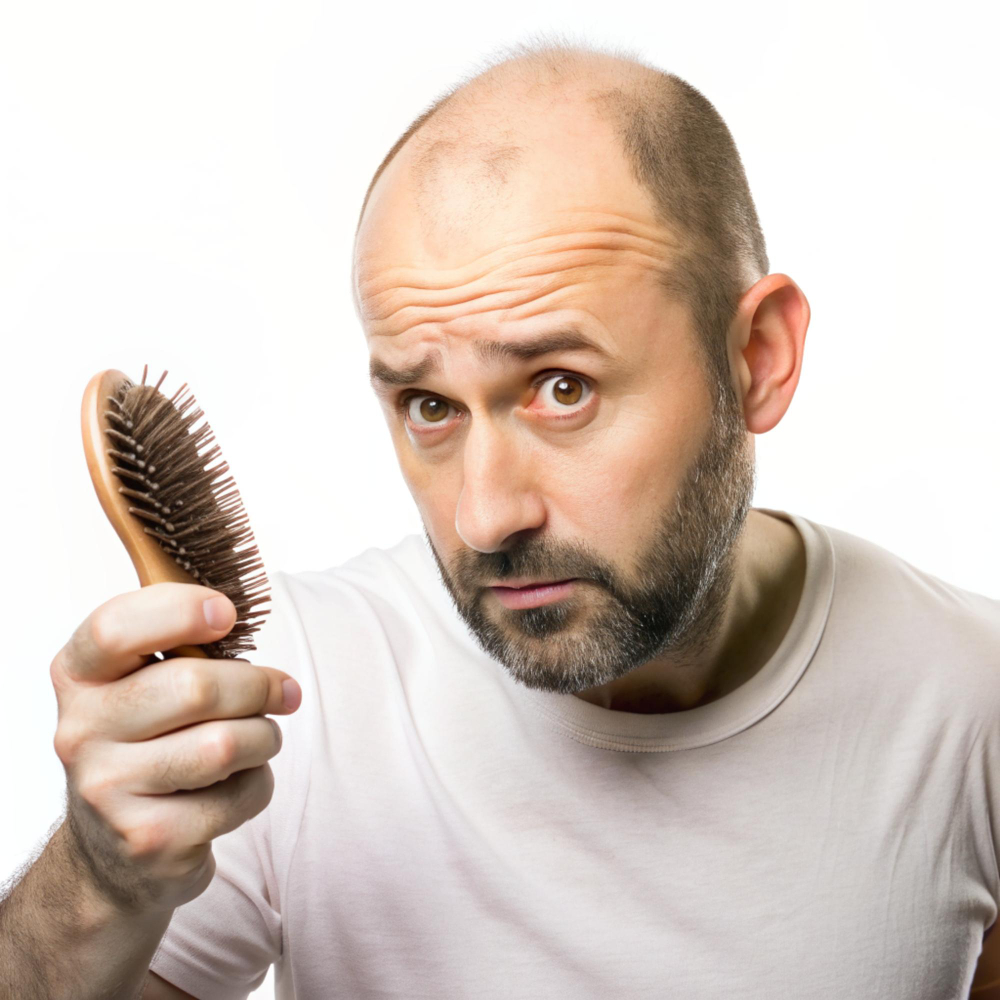
Hair Transplant After 40 is one of the most searched topics among men and women experiencing genetic hair loss (Androgenetic Alopecia) or advanced hair thinning. Many people believe that hair transplantation is only suitable for younger individuals, but the reality is that the age of 40 and beyond can often be one of the best times to undergo the procedure because the pattern of hair loss is usually more stable and predictable.
In Turkey, especially in Istanbul, Hair Transplant Surgery has become a popular solution for patients of all ages thanks to advanced techniques such as FUE Hair Transplant, DHI Hair Transplant, and Sapphire FUE. The hair-transplantation-in-turkey clinic in Istanbul is considered one of the leading hair transplant clinics in Turkey, offering detailed assessments of the hair condition, donor area quality, and a treatment plan tailored to the patient’s age and degree of baldness.
In this comprehensive guide, we will discuss the results of Hair Transplant After 40, who is a suitable candidate, which techniques are most effective, and the factors that influence the success of the procedure.
Can You Have a Hair Transplant After the Age of 40?
Yes, Hair Transplant Surgery can be successfully performed after the age of 40 if the patient is medically suitable and has a healthy Donor Area.
Age alone does not prevent a patient from undergoing a hair transplant. The most important factors include:
Strength of the Donor Area
Degree of Baldness
Stability of Hair Loss
Overall health condition
Realistic expectations
Experience of the clinic and surgeon
The technique used during transplantation
In many cases, people over 40 are excellent candidates because their pattern of hair loss is already well established, allowing the surgeon to design a natural Hairline and create a long-term treatment plan.
Why Can Hair Transplant After 40 Be Better Than at a Younger Age?
Undergoing a Hair Transplant at a very young age can sometimes be more challenging because hair loss may still be progressing. After the age of 40, the pattern of hair loss is often easier to predict.
Advantages of Hair Transplant After 40
| Factor | Why It Matters |
|---|---|
| Stable Hair Loss | Helps plan future hair coverage accurately |
| Clear Baldness Pattern | Allows more precise hairline design |
| More Realistic Expectations | Patients often prioritize natural appearance |
| Easier Donor Area Evaluation | Required graft numbers can be estimated more accurately |
| Natural Results | Hairline can be designed according to age and facial features |
For this reason, turning 40 should not be viewed as a disadvantage. In many cases, it can be an ideal time to undergo Hair Restoration Surgery.
Are Hair Transplant Results After 40 Good?
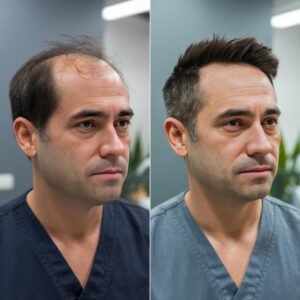
Yes. Hair Transplant Results After 40 can be excellent when the procedure is planned properly.
The quality of the outcome depends on:
Quality of transplanted Hair Grafts
Surgeon experience
Appropriate technique selection
Post-operative care
General health condition
Successful results are usually achieved when:
An age-appropriate Hairline is designed
Grafts are distributed naturally
The donor area is preserved properly
The right technique is selected
Underlying medical issues are managed
The patient follows post-operative instructions
At hair-transplantation-in-turkey in Istanbul, every patient undergoes a personalized assessment to determine suitability, estimate graft requirements, and select the most appropriate technique for achieving natural results.
Who Is a Good Candidate for Hair Transplant After 40?
Not everyone over 40 automatically qualifies for a hair transplant. Certain conditions should be met to maximize the chances of success.
An ideal candidate typically has:
Stable Genetic Hair Loss
A strong Donor Area
Good overall health
Controlled medical conditions
Realistic expectations
No active scalp infections
Commitment to post-operative care
If the donor area is very weak or hair loss is still highly active, supportive treatments may be recommended before surgery.
When Might Hair Transplant After 40 Not Be Suitable?
In some cases, the procedure may need to be postponed or reconsidered.
Situations requiring special evaluation include:
Severely weak donor area
Active scalp diseases
Undiagnosed hair loss conditions
Uncontrolled chronic illnesses
Unrealistic expectations
Heavy smoking
Medical conditions affecting wound healing
A comprehensive consultation is necessary before making a final decision.
Best Hair Transplant Techniques After 40
The most suitable technique depends on the degree of baldness, hair characteristics, donor area quality, and desired outcome.
1. FUE Hair Transplant
FUE Hair Transplant (Follicular Unit Extraction) is one of the most commonly used methods worldwide.
During this procedure, individual Hair Follicles are extracted from the donor area and implanted into thinning or bald regions.
Advantages of FUE
No large linear scar
Suitable for most patients
Relatively fast recovery
Natural-looking results
Effective for moderate and advanced baldness
For many patients over 40, FUE Hair Transplant remains an excellent option.
2. Sapphire FUE
Sapphire FUE follows the same extraction principles as standard FUE but uses sapphire blades to create recipient channels.
Advantages of Sapphire FUE
More precise channel creation
Better graft distribution
Reduced tissue trauma
Natural growth direction
Excellent density potential
This technique is often suitable for patients seeking highly refined and natural-looking results.
3. DHI Hair Transplant
DHI Hair Transplant (Direct Hair Implantation) uses specialized Choi Implanter Pens that allow direct implantation of grafts into the recipient area.
Advantages of DHI
High implantation precision
Better control of angle and direction
Excellent for frontal hairline restoration
May not require complete shaving
Natural-looking outcomes
DHI can be particularly beneficial for patients looking to improve density in specific areas or refine the frontal hairline.
FUE vs DHI vs Sapphire FUE After 40
| Technique | Best For | Advantages |
|---|---|---|
| FUE | Moderate to advanced baldness | Reliable and versatile |
| Sapphire FUE | Higher density requirements | More precise channels |
| DHI | Hairline and localized density improvement | Maximum implantation control |
Choosing a technique should never be based solely on marketing claims. The decision should be made after evaluating the patient’s hair characteristics, donor area quality, and long-term goals.
Is Hair Transplant After 40 Different From Hair Transplant at a Younger Age?
Yes, there are several important differences. After the age of 40, the surgeon must design a Hairline that matches the patient’s age rather than creating an overly low hairline that may look unnatural over time.
Hair Transplant in Younger Patients vs Patients Over 40
| Factor | Younger Patients | Patients Over 40 |
|---|---|---|
| Hair Loss Pattern | May still be progressing | Usually more stable and predictable |
| Hairline Design | Requires caution due to future hair loss | Can be designed more accurately |
| Expectations | Sometimes unrealistic | Often more realistic |
| Long-Term Planning | More complex | Easier due to stable hair loss |
| Density Strategy | Future sessions may be needed | More predictable treatment planning |
For this reason, Hair Transplant After 40 often allows more accurate long-term planning.
How Is the Hairline Designed After 40?
Designing the Hairline is one of the most important parts of a successful Hair Transplant Procedure.
After the age of 40, surgeons generally avoid creating a very low hairline because it may appear unnatural as the patient ages.
A proper hairline should be:
Appropriate for the patient’s age
Balanced with facial features
Natural in shape and density
Not excessively low
Sustainable in the long term
Designed without unnecessarily exhausting the donor area
At hair-transplantation-in-turkey in Istanbul, each hairline is individually designed according to facial structure, donor area density, degree of baldness, and patient expectations to achieve a natural and age-appropriate appearance.
How Many Grafts Are Needed After 40?
The number of required Hair Grafts varies depending on the size of the bald area and the quality of the donor area.
Estimated Graft Requirements
| Condition | Approximate Number of Grafts |
|---|---|
| Minor Frontal Gaps | 1,500 – 2,500 Grafts |
| Receding Hairline | 2,000 – 3,500 Grafts |
| Moderate Baldness | 3,000 – 4,500 Grafts |
| Advanced Baldness | 4,000 – 5,500+ Grafts |
| Crown Restoration | 1,500 – 3,000 Grafts |
These numbers are estimates only. The final graft count can only be determined after a professional evaluation.
Does Transplanted Hair Last for Life?
In most cases, transplanted hair is taken from the Donor Area located at the back and sides of the scalp. These regions are generally resistant to the hormones responsible for Male Pattern Baldness (Androgenetic Alopecia).
As a result, transplanted hair can often last for many years and may even remain permanent.
However, it is important to understand that non-transplanted native hair can continue to thin if genetic hair loss remains active. For this reason, doctors may recommend supportive treatments to preserve existing hair.
Regular follow-up and proper care help maintain long-term results.
When Will the Results Appear?
Hair transplant results do not appear immediately. The process follows a natural growth cycle.
Hair Growth Timeline After Hair Transplant
| Time Period | What Happens? |
|---|---|
| First 10 Days | Grafts stabilize and scabs begin to disappear |
| Weeks 2–8 | Temporary shedding of transplanted hair may occur |
| Months 3–4 | New hair starts growing gradually |
| Month 6 | Noticeable improvement in density |
| Month 9 | Significant enhancement in overall appearance |
| Months 12–18 | Final results are usually achieved |
Temporary shedding after surgery is completely normal and does not indicate failure of the procedure.
Is Recovery More Difficult After 40?
Not necessarily.
Many patients over 40 recover very well, especially when they are in good overall health and follow post-operative instructions carefully.
Recovery may be affected by:
Smoking
Uncontrolled diabetes
Poor nutrition
Lack of sleep
Failure to follow instructions
Certain medications
Scalp conditions
For this reason, patients should provide their surgeon with a complete medical history before surgery.
Important Tips Before Hair Transplant After 40
Before undergoing Hair Transplant Surgery, it is recommended to:
Choose an experienced and specialized clinic
Have the donor area evaluated carefully
Inform the surgeon about all medical conditions
Maintain realistic expectations
Discuss hairline design beforehand
Reduce or stop smoking if advised
Treat scalp conditions before surgery
Avoid choosing a clinic based on price alone
Tips After Hair Transplant for the Best Results
Post-operative care plays a major role in achieving successful outcomes.
Essential Aftercare Guidelines
Do not touch transplanted grafts during the first few days
Sleep in the recommended position to reduce swelling
Take prescribed medications
Wash the hair according to clinic instructions
Avoid intense physical activity initially
Protect the scalp from direct sunlight
Avoid swimming pools and saunas temporarily
Refrain from smoking whenever possible
Do not scratch the scalp
Attend follow-up appointments when required
Following these instructions helps protect the transplanted follicles and supports healthy hair growth.
Is Hair Transplant After 40 Suitable for Women?
Yes, Hair Transplant Surgery can be performed successfully in women over 40. However, female hair loss requires a more detailed evaluation because the causes can be more complex than in men.
Hair loss in women may be associated with:
Hormonal Changes
Iron Deficiency
Thyroid Disorders
Female Pattern Hair Loss
Stress
Menopause
Vitamin Deficiencies
Scalp Diseases
Before recommending a Hair Transplant, the underlying cause of hair loss should be properly diagnosed. If the cause is suitable for transplantation and the Donor Area is healthy, natural and satisfying results can be achieved.
Is Hair Transplant Suitable for Patients with Diabetes or High Blood Pressure?
Some patients with Diabetes or High Blood Pressure can safely undergo a Hair Transplant Procedure, provided their condition is well-controlled and medically stable.
Patients should inform their surgeon about:
Diabetes
Hypertension
Heart Disease
Blood Thinners
Allergies
Previous surgeries
Scalp Conditions
Any daily medications
Medical safety should always be prioritized before cosmetic improvement.
Factors That Influence Hair Transplant Success After 40
The success of a Hair Transplant depends on multiple factors rather than age alone.
1. Strength of the Donor Area
A healthy and dense Donor Area increases the likelihood of achieving better coverage and density.
2. Experience of the Surgeon and Medical Team
Proper extraction and implantation of Hair Follicles require significant skill and precision.
3. Choosing the Right Technique
Selecting between FUE Hair Transplant, DHI Hair Transplant, and Sapphire FUE should be based on the patient’s individual condition.
4. Natural Hairline Design
An age-appropriate Hairline creates a more realistic and attractive appearance.
5. Post-Operative Care
Following aftercare instructions helps protect the transplanted grafts and supports healthy growth.
6. Realistic Expectations
A Hair Transplant can dramatically improve appearance, but it may not always recreate the exact density of a person’s twenties.
Common Mistakes to Avoid After 40
Several mistakes can negatively affect results:
Choosing a clinic solely based on low prices
Requesting an unnaturally low hairline
Overharvesting the donor area
Ignoring donor area assessment
Failing to treat scalp conditions before surgery
Heavy smoking after the procedure
Touching or scratching transplanted grafts
Ignoring washing instructions
Expecting immediate results
Comparing results with patients who have different hair characteristics
Why Do Patients Choose Turkey for Hair Transplant After 40?
Turkey, particularly Istanbul, has become one of the world’s leading destinations for Hair Transplant Surgery because of:
Extensive experience in hair restoration
Advanced technologies and techniques
Competitive pricing compared to many countries
International patient services
The opportunity to combine treatment with tourism
Comprehensive treatment packages
High-quality natural-looking results
However, not all clinics provide the same level of expertise. Choosing a reputable clinic remains the most important factor.
Why Is Hair-Transplantation-in-Turkey One of the Best Hair Transplant Clinics in Istanbul?
The hair-transplantation-in-turkey clinic in Istanbul is recognized as one of the leading clinics in Turkey because it focuses on accurate diagnosis, personalized planning, and selecting the most suitable technique for each patient.
Advantages of the Clinic
Comprehensive pre-operative assessment
Detailed donor area analysis
Natural hairline design
Advanced techniques including FUE Hair Transplant, DHI Hair Transplant, and Sapphire FUE
Extensive experience with patients over 40
Customized treatment plans based on age and degree of baldness
Comprehensive aftercare and follow-up
Focus on natural-looking results
Whether the patient experiences a receding hairline, frontal thinning, crown baldness, or advanced hair loss, an individualized treatment plan is developed to achieve the best possible outcome.
Is Hair Transplant After 40 Worth It?
Absolutely.
For suitable candidates, Hair Transplant After 40 can be a highly rewarding procedure that helps:
Improve overall appearance
Restore self-confidence
Reduce the appearance of baldness
Enhance facial harmony
Create a natural hairline
Eliminate reliance on temporary solutions such as concealers or hair fibers
Patients should understand that results require patience and may take several months to fully develop.
Frequently Asked Questions About Hair Transplant After 40
Is 40 Too Late for a Hair Transplant?
No. In many cases, the age of 40 is actually an ideal time because the pattern of hair loss is more stable and predictable.
Are Hair Transplant Results Good After 40?
Yes. Results can be excellent when the donor area is healthy, the appropriate technique is selected, and the procedure is performed by an experienced team.
Can You Have a Hair Transplant After 50?
Yes. Patients over 50 can successfully undergo Hair Transplant Surgery if they are in good health and have a suitable donor area.
Does Transplanted Hair Last Long After 40?
In most cases, transplanted hair can last for many years because it is harvested from areas genetically resistant to baldness.
What Is the Best Hair Transplant Technique After 40?
There is no single best technique for everyone. FUE, DHI, and Sapphire FUE can all be excellent options depending on the patient’s condition.
How Many Grafts Will I Need?
The number varies according to the extent of hair loss and donor area density. Many patients require between 2,000 and 5,000 grafts, while some may need more.
Is Hair Transplant Painful After 40?
The procedure is usually performed under Local Anesthesia, meaning patients experience minimal discomfort during surgery. Mild soreness may occur afterward.
When Will I See the Final Results?
Final results typically appear between 12 and 18 months after the procedure.
Can I Have a Hair Transplant with a Weak Donor Area?
Possibly, but donor area quality plays a crucial role. A weak donor area may limit achievable density and, in some cases, may make the procedure unsuitable.
Is Hair Transplant Suitable for Women Over 40?
Yes. However, women require a thorough diagnosis to identify the underlying cause of hair loss before considering transplantation.
Conclusion
In conclusion, Hair Transplant After 40 can provide excellent, natural-looking results when planned correctly. Age itself is not the determining factor in success. Instead, the most important considerations are the quality of the Donor Area, the stability of Hair Loss, the patient’s overall health, the expertise of the medical team, and the selection of the appropriate technique.
Because hair loss patterns are usually more stable after 40, surgeons can create a realistic and age-appropriate Hairline, making this stage of life an excellent time to consider Hair Restoration Surgery.
The hair-transplantation-in-turkey clinic in Istanbul is among the best hair transplant clinics in Turkey, offering personalized treatment plans and advanced techniques such as FUE Hair Transplant, DHI Hair Transplant, and Sapphire FUE. If you are considering a hair transplant after the age of 40, choosing a trusted clinic in Istanbul can be the first step toward achieving natural, long-lasting, and successful results.