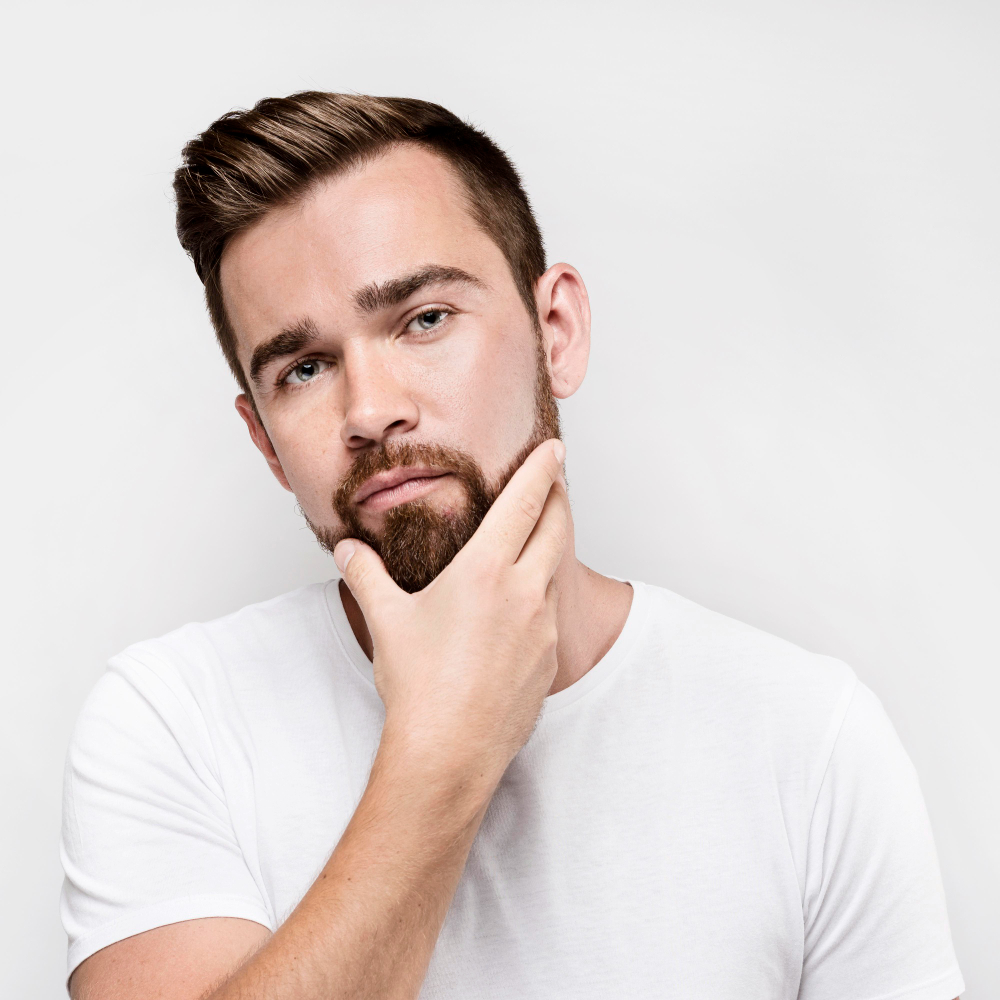
When Can You Shave After a Beard Transplant? A Guide to Safe Shaving Timelines
Shaving after a beard transplant requires some patience, especially during the first few days when the transplanted area is particularly sensitive to friction and pressure. In this guide, we explain when you can trim your beard with scissors, when clippers and razors can be used, and how to handle transplanted hair without harming the skin during recovery.
During the first few days after a beard transplant, shaving or trimming the transplanted area is generally not recommended. Once the scabs have fallen off and the surface of the skin has healed, you may usually begin carefully trimming the hair with scissors. Clippers and direct razor shaving should normally be postponed until a later stage, depending on the speed of recovery and the instructions provided by the doctor who performed the procedure.
In practical terms, the first two weeks should be considered a protective period for the transplanted area. After that, beard grooming can gradually be resumed instead of immediately returning to a very close shave.
Why Should You Delay Shaving After a Beard Transplant?
During a beard transplant, hair follicles are implanted into tiny openings created in the facial skin. Although the grafts gradually begin to stabilize after the procedure, the surface of the skin still needs additional time to recover from redness, scabbing, and sensitivity caused by transplantation.
Therefore, delaying shaving is not only about preventing the accidental removal of transplanted grafts. It is also important for avoiding unnecessary friction, pressure, cuts, and irritation while the skin is still healing.
Shaving Timeline After a Beard Transplant
The priority during this stage is protecting the grafts and avoiding touching, scratching, or applying pressure to them. Follow the washing and aftercare instructions provided by your clinic.
Most scabs gradually begin to disappear during this period. Do not try to remove them by shaving, scratching, or scraping them forcefully. Allow them to come off according to the washing and aftercare protocol recommended by your doctor.
Your doctor may allow you to carefully trim the ends of the hair using scissors without touching or pressing against the skin, particularly once the scabs and significant redness have disappeared.
It is generally preferable to begin with a guard that leaves some distance between the blades and the skin rather than running the metal blade directly over the transplanted area.
A traditional razor creates more direct contact and friction with the skin than scissors or guarded clippers. For this reason, it is better not to rush into razor shaving and to follow your doctor's recommendations.
Scissors, Clippers, or Razor: Which Can Be Used First?
Scissors
Scissors are often the first option when you begin trimming your beard again because they allow you to shorten the ends of the hair without moving a shaving tool directly over the skin.
Hair Clippers or Beard Trimmer
Clippers are usually introduced at a later stage. It is preferable to start with a higher guard setting and avoid applying pressure to the transplanted area.
Razor
A razor requires direct contact with the skin. It should therefore generally be delayed until recovery is complete and there are no remaining scabs, wounds, or significant inflammation.
| Shaving Method | Approximate Timing | Recommendation |
|---|---|---|
| Scissors | Approximately 10–14 days after the scabs have fallen off | Use carefully without touching the skin |
| Clippers with a Guard | Usually after 2–4 weeks | Avoid direct pressure and begin with a longer guard setting |
| Clippers on the Shortest Setting | After the transplanted area has completely healed | Medical approval is preferable before using a very short setting |
| Traditional Razor | Usually after about one month or according to your doctor's instructions | Do not use it over inflamed or sensitive skin |
Can Shaving Pull Out Transplanted Beard Grafts?
This is one of the most common concerns following beard transplantation. During the early recovery stage, the transplanted area should be protected because strong friction, scratching, or trauma can negatively affect the healing process.
Once the grafts have stabilized and the tiny openings in the skin have healed, returning to normal beard care becomes considerably easier. This is why you should not start using clippers or a razor too early simply because the transplanted hairs are visible above the skin.
What If a Hair Falls Out While Washing or Several Weeks After the Procedure?
It is important to distinguish between the transplanted hair shaft falling out and losing the actual follicle. It is normal for some transplanted hairs to enter a temporary shedding phase after the procedure before the follicles begin producing new hair during the following months.
Therefore, seeing transplanted beard hairs fall out during recovery does not automatically mean that the beard transplant has failed.
When Do Beard Transplant Scabs Fall Off, and Should You Wait Before Shaving?
Small scabs commonly develop around the implanted grafts during the first few days after a beard transplant. They are an expected part of the healing process and usually begin to separate gradually when the area is washed according to the medical team's instructions.
Shaving should never be used as a way to remove the scabs. If visible scabs, inflammation, tenderness, or irritated areas remain, it is better to delay shaving instead of exposing the healing skin to friction from a sharp tool.
How to Shave for the First Time After a Beard Transplant
Once your doctor allows you to begin trimming your beard again, your first shave should be conservative rather than extremely close to the skin.
- First, make sure all scabs and open wounds have disappeared.
- Use a clean and properly disinfected tool whenever possible.
- Begin with scissors or clippers fitted with a protective guard.
- Do not press the clippers firmly against the skin.
- Move gently, especially over areas with a high density of transplanted grafts.
- Stop immediately if you notice bleeding, pain, or significant irritation.
- Avoid shaving products that cause burning or irritation on recently healed skin.
Should You Shave With or Against the Direction of Hair Growth?
When you first return to shaving, it is generally preferable to move gently in the direction of hair growth rather than trying to achieve an extremely close shave. Once healing is complete, you can gradually return to your usual shaving routine.
Does Shaving Make Transplanted Beard Hair Grow Thicker?
Shaving does not increase the number of hair follicles or cause one hair to become several hairs. What changes after shaving is simply the appearance of the cut end of the hair shaft, which may temporarily make regrowing hair look or feel thicker.
The actual density achieved after a beard transplant mainly depends on the number of grafts transplanted, their distribution and implantation direction, the characteristics of the patient's hair, and the percentage of transplanted follicles that successfully grow after the procedure.
When Does Transplanted Beard Hair Start Growing?
Final results do not appear immediately after a beard transplant. The transplanted hair may go through a temporary shedding stage during the following weeks, while the follicles remain beneath the skin and begin a new growth cycle.
The First Few Weeks
This is primarily a healing and scab-shedding stage, and some of the transplanted hairs may begin to fall out.
The Following Months
New beard hairs gradually begin to appear and density generally improves over time.
Maturation Stage
Hair thickness, consistency, and the overall appearance of the beard gradually improve as the result approaches its more mature stage.
Mistakes to Avoid When Shaving After a Beard Transplant
- Shaving during the first few days: The skin and transplanted grafts are still in the early healing phase.
- Removing scabs with a razor: Scabs should not be forcefully scraped away.
- Using unclean clippers: Clean equipment helps reduce the risk of irritation and infection.
- Applying excessive pressure: This is particularly important when using electric clippers or a trimmer.
- Shaving over inflamed bumps or irritated skin: The underlying problem should be assessed rather than further irritating the area.
- Using alcohol-based or strongly fragranced products on irritated skin: These may cause burning, redness, and discomfort.
- Ignoring your doctor's instructions: Aftercare protocols can vary from one patient to another.
When Should You Contact Your Doctor Before Shaving?
Do not rush into shaving if the transplanted area still appears irritated or has not healed properly. It is advisable to contact your doctor or clinic if you notice:
- Severe redness that becomes worse instead of improving.
- Increasing pain or unusual swelling.
- Discharge or other signs that may indicate infection.
- Repeated bleeding from the transplanted area.
- Persistent or heavy scabbing that does not improve according to your washing instructions.
- Clearly inflamed or painful bumps.
Is a Beard Transplant Painful?
Many patients who are considering beard transplantation are also concerned about discomfort during and after the procedure. Local anesthesia is generally used during transplantation, while the level of discomfort during recovery can vary from one patient to another.
If you would like to understand what to expect before undergoing the procedure, read our detailed guide: Is a Beard Transplant Painful?
Related Beard and Hair Transplant Guides
If you are considering a beard transplant or would like to learn more about hair transplantation in Turkey, you can explore the following guides and resources from our hair transplant clinic website.
Frequently Asked Questions About Shaving After a Beard Transplant
When can you shave after a beard transplant?
When can you trim your beard with scissors after a transplant?
When can you use clippers after a beard transplant?
When can you use a razor after a beard transplant?
Can shaving remove transplanted beard grafts?
Does transplanted beard hair shedding mean the procedure failed?
Can you shave if beard transplant scabs are still present?
Does shaving make a transplanted beard grow thicker?
Can you shape your beard after a beard transplant?
Are You Considering a Beard Transplant in Turkey?
If you have patchy beard growth, areas with limited facial hair, or would like to improve beard density and definition, you can contact our hair transplant clinic and send photos of the area for an initial assessment and information about suitable beard transplant options.
Contact Us on WhatsApp +90 543 916 6762The information provided in this article is intended for general health education and should not replace a medical examination or the instructions of your treating physician. Beard transplant aftercare and shaving timelines may vary from one patient to another depending on the technique used and the individual healing process.