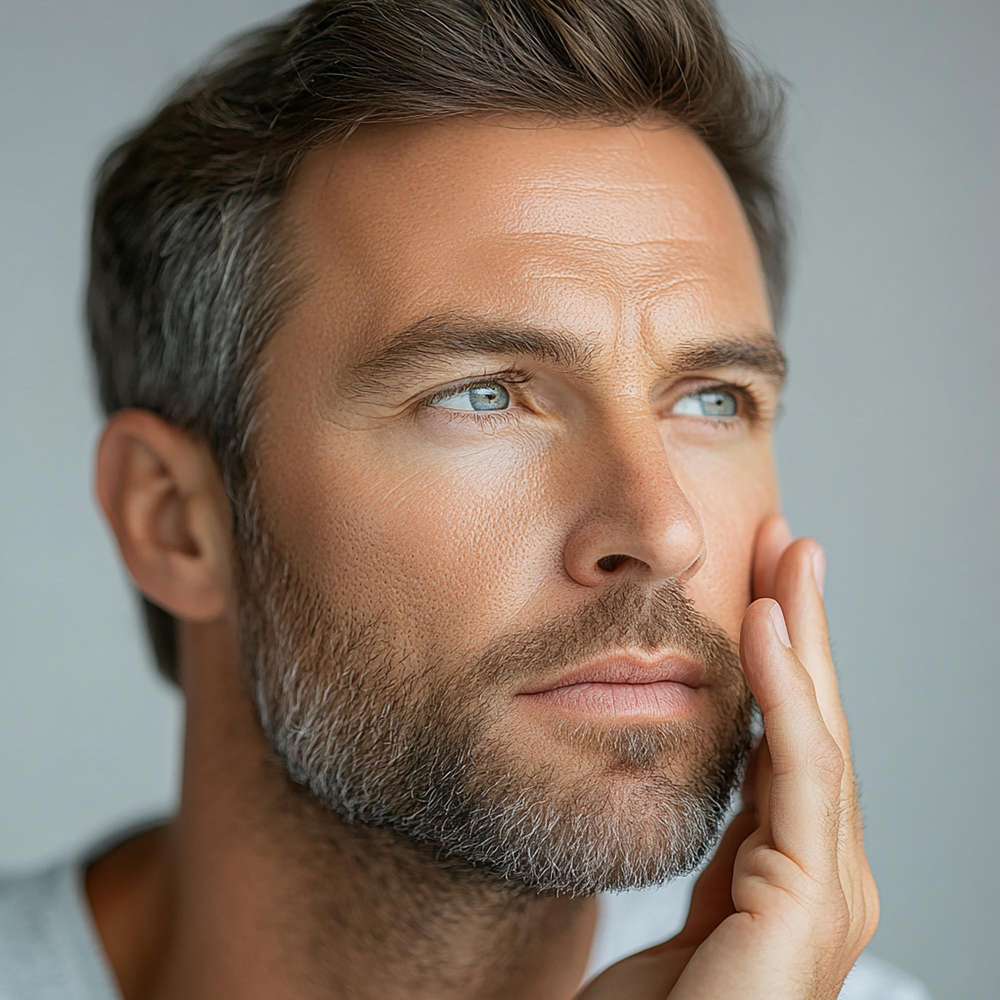
Is a Beard Transplant Painful? Everything You Need to Know Before the Procedure
Many men considering facial hair restoration ask one important question before booking treatment: "Is a beard transplant painful?" The fear of pain is completely understandable, especially for patients who have never undergone a cosmetic procedure before.
At Hair Transplantation in Turkey , our specialists perform advanced beard restoration procedures using modern minimally invasive techniques designed to maximize comfort while delivering natural-looking, permanent results. Every treatment plan is personalized, local anesthesia is carefully administered, and patients remain awake, relaxed, and comfortable throughout the entire procedure.
The reality is that most patients describe a beard transplant as far less painful than they expected. While you may experience a brief sting during the administration of local anesthesia, the transplant itself is generally painless. Mild soreness or tightness may occur during the first few days after surgery, but these symptoms are temporary and manageable with prescribed medication.
This comprehensive guide explains exactly what pain to expect before, during, and after a beard transplant, how discomfort is controlled, what recovery feels like, and practical tips to ensure a smooth healing process.
Quick Answer: Is a Beard Transplant Painful?
Short answer: No. A beard transplant is generally considered a low-pain procedure because it is performed under local anesthesia.
Patients usually feel:
- ✓ A few seconds of mild discomfort during the anesthetic injections.
- ✓ No pain while grafts are being extracted.
- ✓ No pain during implantation into the beard area.
- ✓ Mild soreness or tenderness for several days afterward.
- ✓ Complete resolution of discomfort within approximately one week.
On a pain scale from 0 to 10, most patients rate:
| Stage | Average Pain Score |
|---|---|
| Local anesthesia injection | 3–5 / 10 |
| Hair extraction | 0–1 / 10 |
| Beard implantation | 0–1 / 10 |
| First night after surgery | 2–3 / 10 |
| Days 2–5 | 1–2 / 10 |
| After one week | Usually 0 / 10 |
Why Most Patients Expect More Pain Than They Actually Experience
One of the biggest misconceptions surrounding beard transplantation is that thousands of grafts automatically mean severe pain. In reality, discomfort is significantly reduced because the tiny follicular units are transplanted using highly refined microsurgical techniques.
Modern beard transplantation uses microscopic instruments that minimize tissue trauma, reduce bleeding, and promote faster healing. Compared with older surgical methods, today's procedures are considerably less invasive and much more comfortable.
At Hair Transplantation in Turkey's Beard Hair Transplant Program , advanced planning and meticulous graft placement help reduce unnecessary manipulation of the skin, contributing to a smoother recovery and less postoperative discomfort.
Does the Local Anesthesia Injection Hurt?
The anesthetic injection is often the only part of the procedure that patients notice. Because the skin contains many nerve endings, you may feel a brief pinching or burning sensation as the anesthetic is administered.
Fortunately, this sensation lasts only a few seconds before the treatment area becomes completely numb.
Many experienced clinics further improve comfort by using:
- Very fine needles
- Slow injection techniques
- Buffered anesthetic solutions
- Skin cooling methods
- Gentle tissue stabilization
Once anesthesia has taken effect, patients generally feel only slight pressure or movement without actual pain.
Does Beard Hair Extraction Hurt?
Hair follicles used for beard transplantation are typically harvested from the back or sides of the scalp, where donor hair closely matches beard characteristics after adaptation.
Since the donor area is fully anesthetized before extraction begins, patients generally experience:
- No sharp pain
- Occasional vibration from surgical instruments
- Mild pulling sensations
- Pressure without discomfort
The extraction process often lasts several hours depending on the number of grafts required, yet many patients spend the time listening to music, watching videos, or simply relaxing.
Does Implanting Beard Grafts Hurt?
Once the donor follicles have been harvested, the surgeon prepares the beard area by creating thousands of tiny recipient sites that match the natural direction, angle, and density of facial hair. Because local anesthesia is still fully effective, this stage is typically painless.
Most patients report feeling only gentle pressure or light touching while the grafts are implanted. There should be no sharp pain during implantation. If a patient begins to feel discomfort, additional local anesthesia can be administered immediately to maintain complete comfort throughout the procedure.
This is one of the reasons why modern beard transplantation is considered a minimally invasive outpatient procedure with a high level of patient satisfaction.
How Does a Beard Transplant Feel During the Procedure?
Every patient experiences the procedure a little differently, but the sensations are remarkably similar for most individuals.
| Procedure Stage | What You Usually Feel |
|---|---|
| Preparation | Comfortable consultation and skin cleansing. |
| Local anesthesia | A brief sting lasting only a few seconds. |
| Donor hair extraction | Mild pressure without pain. |
| Creating recipient sites | No pain, only slight pressure. |
| Implanting beard grafts | Gentle touching sensations. |
| Completion | Mild tightness as anesthesia begins to wear off. |
Many patients are surprised by how relaxed the experience is compared with their expectations before surgery.
What Happens After the Anesthesia Wears Off?
Once the numbness gradually disappears, it is normal to notice mild tenderness in both the donor area and the transplanted beard region.
The discomfort is generally described as:
- Mild soreness
- Skin tightness
- Minor sensitivity when touching the face
- A slight burning sensation during the first evening
These symptoms are temporary and usually controlled with the pain medication prescribed by your surgeon.
Most patients never require strong painkillers, and many only take medication during the first day.
Beard Transplant Pain Timeline
Day 1
The first evening is when discomfort is most noticeable. Mild swelling, tenderness, and tightness are expected as the local anesthesia wears off. Sleeping with your head elevated helps minimize swelling and improve comfort.
Days 2–3
Discomfort decreases significantly. Tiny scabs begin forming around each implanted follicle, while the donor area starts healing rapidly. Most patients rate discomfort at only 1–2 out of 10.
Days 4–7
Tenderness continues to improve, and many patients no longer require pain medication. The scabs gradually soften and begin falling away naturally according to the aftercare instructions provided by the clinic.
Week Two
Pain is usually completely gone. Some temporary numbness or mild itching may remain while the skin continues to heal, but this is a normal part of recovery.
One Month Later
The skin has largely recovered. At this stage, some transplanted hairs enter the temporary shedding phase before permanent growth begins several months later.
What Can Increase Pain After a Beard Transplant?
Although beard transplantation is generally comfortable, certain habits may increase swelling, irritation, or discomfort during recovery.
- Smoking immediately after surgery
- Alcohol consumption during the first few days
- Touching or scratching the transplanted area
- Sleeping face down
- Heavy exercise too early
- Ignoring postoperative instructions
- Skipping prescribed medications
- Poor facial hygiene
Following your surgeon's recommendations greatly reduces the risk of unnecessary discomfort and supports faster healing.
How to Reduce Pain After Beard Transplant Surgery
Most postoperative discomfort can be minimized with simple aftercare measures.
- Take medications exactly as prescribed.
- Sleep with your head elevated for several nights.
- Avoid direct pressure on the beard area.
- Drink plenty of water.
- Avoid smoking whenever possible.
- Follow the recommended washing schedule.
- Protect your face from direct sunlight.
- Do not remove scabs prematurely.
Patients who carefully follow these recommendations generally experience a smooth and comfortable recovery.
Does Beard Density Affect Pain?
Patients often assume that transplanting more grafts means significantly more pain. Fortunately, this is rarely the case.
Whether your procedure involves 800 grafts or 3,000 grafts, the level of discomfort remains relatively similar because the treatment area stays numb throughout surgery. Larger procedures may result in slightly longer healing times, but not necessarily more pain.
If you are unsure how many grafts you may need, our specialists can evaluate your beard goals during a personalized consultation through our contact page.
Does FUE Beard Transplant Hurt More Than Other Techniques?
Modern beard restoration is commonly performed using Follicular Unit Extraction (FUE), which is recognized for being one of the least invasive hair transplantation techniques available.
Compared with older strip harvesting methods, FUE offers several advantages:
- Smaller extraction sites
- No long linear scar
- Reduced postoperative discomfort
- Faster healing
- Lower risk of complications
- More natural facial hair distribution
For this reason, FUE has become the preferred technique for patients seeking natural-looking beard enhancement with minimal downtime.
Is a Beard Transplant More Painful Than a Hair Transplant?
This is one of the most frequently asked questions by patients considering facial hair restoration. In general, the answer is no. A beard transplant and a scalp hair transplant involve nearly the same surgical principles, including local anesthesia, follicular unit extraction (FUE), and meticulous graft implantation.
The primary difference is the recipient area. Facial skin is more sensitive than the scalp because it contains a higher concentration of sensory nerve endings. However, once local anesthesia has taken effect, patients usually do not notice any meaningful difference in pain between the two procedures.
After surgery, the beard area may feel slightly tighter when smiling, eating, or speaking during the first few days. This sensation is temporary and gradually disappears as the skin heals.
If you are still deciding between facial hair restoration and scalp restoration, you may also find our guide on beard transplant procedures in Turkey helpful for understanding the complete treatment process.
Can You Feel the Hair Grafts Being Implanted?
No. Patients generally cannot feel individual grafts being inserted because the treatment area remains numb throughout the implantation stage.
You may notice:
- Gentle touching sensations
- Light pressure
- Minor movement around the face
- The surgeon adjusting your head position
None of these sensations should be painful. Experienced surgeons continuously monitor patient comfort and can administer additional anesthesia whenever necessary.
What If You Feel Pain During the Procedure?
Although uncommon, every patient responds differently to local anesthesia. If discomfort develops during surgery, patients should immediately inform the surgical team.
Additional anesthetic can usually be administered within minutes, allowing the procedure to continue comfortably without affecting the quality of the transplant.
Experienced clinics never expect patients to tolerate unnecessary pain. Patient comfort remains a priority throughout every stage of treatment.
Possible Side Effects After a Beard Transplant
Some temporary side effects are a normal part of healing and should not be confused with complications.
| Symptom | Is It Normal? | Typical Duration |
|---|---|---|
| Mild tenderness | Yes | 2–5 days |
| Minor swelling | Yes | 2–4 days |
| Small scabs | Yes | 7–10 days |
| Temporary itching | Yes | Several days |
| Mild numbness | Yes | Up to several weeks |
| Temporary shedding of transplanted hairs | Yes | 2–8 weeks |
These temporary effects are part of the normal healing process and usually resolve without additional treatment.
When Should You Contact Your Surgeon?
Although serious complications are uncommon, you should seek medical advice if you experience:
- Severe or worsening pain that does not improve with medication
- Persistent bleeding
- High fever
- Significant pus or foul-smelling discharge
- Rapidly increasing facial swelling
- Extensive redness spreading beyond the treated area
- Signs of infection
Prompt evaluation allows any potential issue to be treated early, protecting both your health and your final aesthetic results.
Does Choosing an Experienced Clinic Reduce Pain?
Absolutely.
The experience of the medical team plays a major role in patient comfort. Skilled surgeons perform graft extraction and implantation with greater precision, minimizing unnecessary tissue trauma and reducing postoperative soreness.
At Hair Transplantation in Turkey, every procedure is carefully planned to maximize graft survival while keeping discomfort to a minimum through advanced FUE techniques, precise anesthesia protocols, and comprehensive postoperative care.
Is Traveling Home After Surgery Painful?
Most international patients are able to travel shortly after their beard transplant without significant discomfort.
During travel, patients may experience:
- Mild tightness in the donor area
- Minor facial sensitivity
- Slight swelling during the first couple of days
These symptoms are generally manageable with prescribed medication and proper postoperative care. Your surgeon will provide detailed travel instructions before discharge.
Is a Beard Transplant Worth It Despite the Temporary Discomfort?
For the vast majority of patients, the answer is yes.
The brief discomfort experienced during the first few days is temporary, while the results of a successful beard transplant can last a lifetime. Patients often report significant improvements in facial symmetry, beard density, self-confidence, and overall appearance.
Compared with years of using temporary cosmetic solutions, beard transplantation offers a permanent and natural-looking solution for patchy or sparse facial hair.
If you would like to understand treatment options, expected graft numbers, or pricing, visit our detailed guide on hair transplant costs in Turkey.
Book Your Personalized Beard Transplant Consultation
Every beard is unique, and the number of grafts, facial design, and expected results vary from one patient to another.
Our specialists at Hair Transplantation in Turkey provide personalized treatment plans for international patients seeking natural, dense, and permanent beard restoration using advanced FUE techniques.
Whether you are concerned about pain, recovery, costs, or expected results, our team is ready to answer all your questions.
📱 Request a Free WhatsApp Consultation
or visit our Contact Page to schedule your consultation.
Conclusion
So, is a beard transplant painful? For most patients, the answer is reassuringly no. Modern beard transplantation is performed under effective local anesthesia, making the procedure itself virtually painless. Any discomfort afterward is typically mild, temporary, and easily managed with routine postoperative care.
Choosing an experienced clinic, following your surgeon's instructions, and maintaining realistic expectations all contribute to a smooth recovery and excellent long-term results.
At Hair Transplantation in Turkey, our experienced team is committed to providing safe, comfortable, and natural-looking beard transplantation using advanced FUE technology and personalized treatment planning for patients from around the world.
If you are considering beard restoration and would like expert advice tailored to your needs, contact our team today and take the first step toward achieving a fuller, natural-looking beard with confidence.
Frequently Asked Questions (FAQ)
Is a beard transplant painful during the surgery?
No. The procedure is performed under local anesthesia, so patients typically feel only a brief sting during the injections. Once the area is numb, beard graft extraction and implantation are generally painless.
How painful is a beard transplant on a scale of 1 to 10?
Most patients rate the procedure itself between 0 and 1 out of 10. The anesthesia injections may reach 3–5 out of 10 for a few seconds, while postoperative soreness is usually mild and temporary.
How long does pain last after a beard transplant?
Most discomfort disappears within three to seven days. Mild tenderness or tightness may continue for a short period, but severe pain is uncommon.
Can I take pain medication after surgery?
Yes. Your surgeon will prescribe or recommend appropriate pain medication if needed. Many patients only require medication during the first day after surgery.
Does the donor area hurt more than the beard?
The donor area at the back of the scalp may feel slightly tighter than the beard area during the first few days, but both areas heal quickly with proper care.
Can I sleep normally after a beard transplant?
It is recommended to sleep with your head elevated for the first few nights to reduce swelling and protect the newly implanted grafts.
Does shaving before surgery make the procedure painful?
No. Shaving simply helps the surgeon harvest and implant grafts more accurately. It has no effect on pain levels.
When can I wash my beard after the transplant?
Your surgeon will provide detailed washing instructions, but gentle washing usually begins within a few days after surgery using recommended products.
Will I have scars after a beard transplant?
Modern FUE beard transplantation leaves tiny extraction points that usually heal with little or no visible scarring.
Can I return to work immediately?
Many patients return to office-based work within several days. Those with physically demanding jobs may need additional recovery time.
Is swelling normal after a beard transplant?
Yes. Mild swelling is a common part of healing and usually resolves within a few days.
Does beard transplant pain mean something is wrong?
Not necessarily. Mild soreness is expected. However, severe pain accompanied by fever, pus, or excessive redness should be evaluated by your surgeon.
Can I exercise after a beard transplant?
Heavy exercise should be avoided for approximately one to two weeks, depending on your surgeon's recommendations.
Will the transplanted beard hair fall out?
Yes. Temporary shedding is a normal part of the hair growth cycle. Permanent growth typically begins several months later.
Are beard transplant results permanent?
Yes. Once the transplanted follicles establish themselves, they continue growing naturally for many years.
Who is a good candidate for a beard transplant?
Healthy adults with patchy, thin, or absent facial hair and sufficient donor hair are usually good candidates after medical evaluation.
Does smoking increase pain after surgery?
Smoking may delay healing, increase inflammation, and negatively affect graft survival. Patients are advised to avoid smoking during recovery.
How soon can I shave after a beard transplant?
Most surgeons recommend waiting approximately three to four weeks before shaving, although this may vary according to individual healing.
Is Turkey a good destination for beard transplantation?
Turkey has become one of the world's leading destinations for beard transplantation because of experienced surgeons, modern technology, and competitive pricing.
Where can I book a consultation?
You can contact the specialists at Hair Transplantation in Turkey, visit the Contact Page, or request a free consultation directly through WhatsApp.