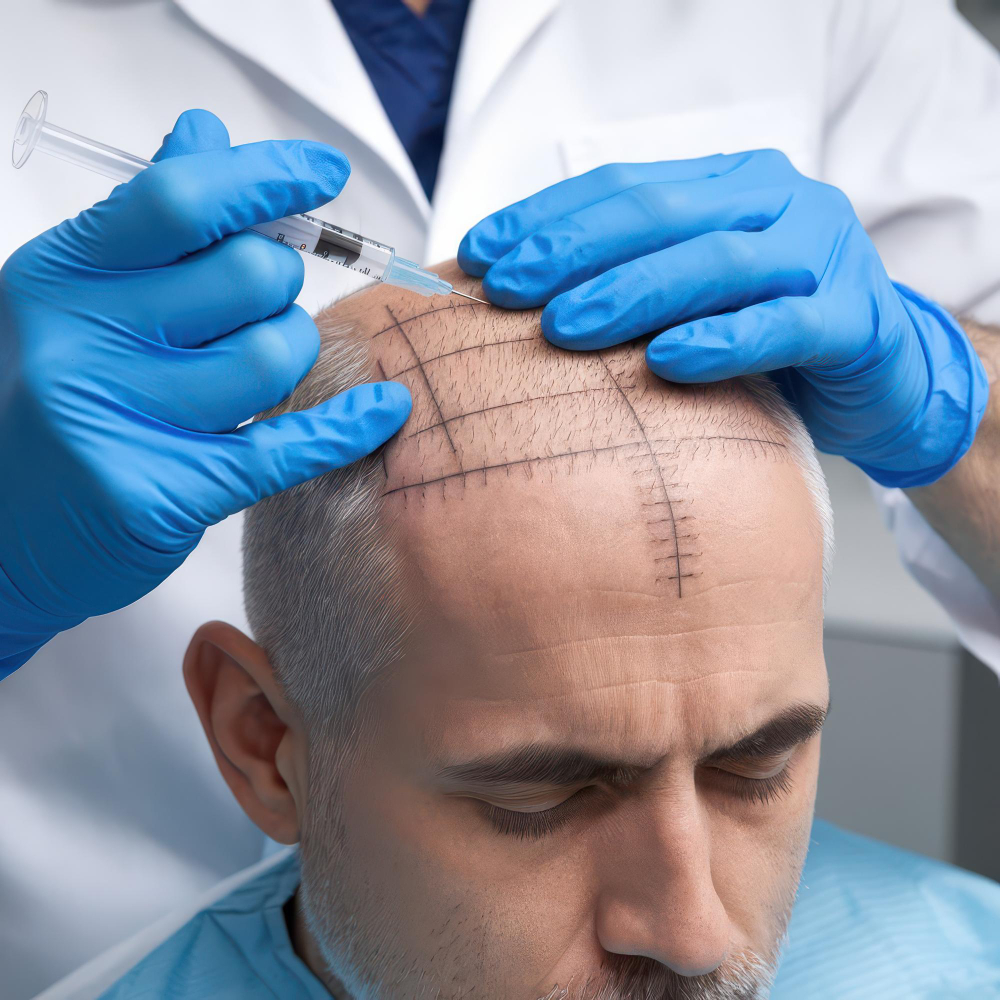
Hair Transplant Cost in Turkey (2026): Prices, Techniques, Packages & Complete Guide
Turkey has become the world's leading destination for hair restoration, attracting hundreds of thousands of international patients every year. If you're searching for the hair transplant cost in Turkey, you're likely looking for the perfect balance between affordability, medical expertise, and natural-looking results. While cost is an important consideration, choosing the right clinic and surgeon is even more critical to achieving long-lasting success.
At Hair Transplantation in Turkey, international patients receive personalized treatment plans using advanced hair transplant techniques such as FUE, Sapphire FUE, and DHI. Every procedure is carefully planned according to the patient's degree of hair loss, donor area quality, hair characteristics, and long-term expectations to ensure the most natural outcome possible.
This comprehensive guide explains everything you need to know about hair transplant prices in Turkey, including treatment costs, available techniques, package options, recovery time, factors affecting pricing, and practical advice for choosing the best clinic in Istanbul.
Quick Answer: How Much Does a Hair Transplant Cost in Turkey?
The average hair transplant cost in Turkey ranges between $1,800 and $4,500. The final price depends on several factors, including the number of grafts required, the surgical technique used, the surgeon's experience, and the services included in the treatment package.
Despite using modern technology and internationally accepted medical standards, Turkish clinics can offer significantly lower prices than clinics in the UK, the United States, Canada, and many European countries. Even after including flights and accommodation, most international patients still save between 50% and 70% compared with receiving treatment in their home country.
Average Hair Transplant Prices in Turkey (2026)
| Treatment | Average Price |
|---|---|
| FUE Hair Transplant | $1,800 – $3,200 |
| Sapphire FUE Hair Transplant | $2,200 – $3,800 |
| DHI Hair Transplant | $2,500 – $4,500 |
| Beard Transplant | $1,500 – $3,000 |
| Eyebrow Transplant | $1,200 – $2,500 |
| Second Hair Transplant | $2,000 – $4,500 |
The prices shown above are approximate estimates. Every patient receives an individualized quotation after a detailed medical evaluation and assessment of the donor area.
Why Is Hair Transplant Surgery More Affordable in Turkey?
Many patients wonder whether lower prices indicate lower quality. The answer is no. Turkey has become a global leader in medical tourism because clinics combine highly qualified medical teams with lower operating expenses, allowing them to offer internationally competitive prices without compromising patient safety or treatment quality.
The affordability of hair transplantation in Turkey is mainly due to:
- Lower clinic operating costs.
- Competitive healthcare market.
- High patient volume throughout the year.
- Government support for medical tourism.
- Favorable exchange rates for international visitors.
- Efficient treatment systems and experienced surgical teams.
These factors enable reputable clinics to invest in advanced technology while maintaining accessible pricing for patients from around the world.
What Determines the Cost of a Hair Transplant?
No reputable clinic can provide an accurate quotation without first evaluating your hair loss pattern and donor area. Every patient has unique needs, which is why treatment costs vary.
Your final treatment cost depends on several important factors:
- Total number of grafts required.
- Extent of hair loss.
- Quality and density of the donor area.
- Hair transplant technique selected.
- Surgeon's experience.
- Clinic reputation.
- Complexity of the procedure.
- Additional treatments such as PRP therapy.
For the most accurate estimate, clinics typically request clear photographs or a video consultation before preparing a personalized treatment plan.
What Is Included in Hair Transplant Packages?
Many international patients choose Turkey because clinics offer comprehensive treatment packages that simplify travel planning and eliminate unexpected expenses.
A typical package may include:
- Medical consultation.
- Hair analysis.
- Blood tests.
- Hair transplant procedure.
- Local anesthesia.
- Medication.
- Post-operative care products.
- First hair wash.
- Airport transfers.
- Hotel accommodation assistance.
- Interpreter services.
- Follow-up consultations.
Patients should always request a detailed treatment plan outlining every service included before confirming their appointment.
Which Hair Transplant Technique Is Right for You?
Choosing the appropriate technique is just as important as choosing the right clinic. The ideal method depends on your hair characteristics, donor capacity, degree of hair loss, and personal expectations.
If you would like to learn more about the available techniques, these detailed guides may help:
- Sapphire FUE Hair Transplant in Turkey
- DHI vs FUE Hair Transplant
- FUE vs DHI – Key Differences Explained
Reading these comparisons will help you understand the advantages of each procedure before making your final decision.
Hair Transplant Cost in Turkey Compared to Other Countries
One of the biggest reasons patients travel to Turkey is the exceptional balance between affordability and medical quality. Clinics in Istanbul perform thousands of procedures every month, allowing them to maintain competitive prices while investing in advanced technology and experienced medical teams.
| Country | Average Hair Transplant Cost | Potential Savings in Turkey |
|---|---|---|
| Turkey | $1,800 – $4,500 | — |
| United Kingdom | $6,000 – $12,000 | Save up to 70% |
| United States | $8,000 – $18,000 | Save up to 80% |
| Canada | $7,000 – $15,000 | Save up to 75% |
| Germany | $6,000 – $11,000 | Save up to 70% |
| France | $6,500 – $12,000 | Save up to 70% |
Although prices differ between clinics, Turkey consistently offers one of the best price-to-quality ratios available anywhere in the world.
Step-by-Step Hair Transplant Procedure
Understanding each stage of treatment helps patients prepare both physically and mentally for their procedure.
1. Medical Consultation
Your specialist evaluates your pattern of hair loss, donor area density, scalp condition, medical history, and treatment expectations before recommending the most appropriate procedure.
2. Hairline Design
A customized hairline is carefully designed to match your facial proportions, age, and natural hair growth pattern.
3. Local Anesthesia
The procedure is performed under local anesthesia, allowing patients to remain comfortable and awake throughout the surgery.
4. Donor Hair Extraction
Healthy hair follicles are carefully harvested from the donor area, usually at the back of the scalp, where hair is genetically resistant to hair loss.
5. Channel Creation or Implantation
Depending on the chosen technique, tiny channels are created or grafts are implanted directly into the recipient area with maximum precision.
6. Graft Placement
Each graft is positioned according to its natural angle, direction, and density to achieve a realistic and aesthetically pleasing result.
7. Recovery and Follow-Up
Patients receive detailed aftercare instructions, medications, and scheduled follow-up consultations to support optimal healing.
How Many Grafts Do You Need?
The number of grafts required depends entirely on the extent of hair loss and the density you wish to achieve.
| Hair Loss Area | Estimated Grafts |
|---|---|
| Minor Hairline Restoration | 1,000–1,500 |
| Front Hairline | 1,500–2,200 |
| Frontal Half | 2,000–3,000 |
| Front and Crown | 3,000–4,500 |
| Extensive Hair Loss | 4,500–6,000+ |
Your surgeon determines the exact graft count after evaluating donor capacity and the severity of hair loss.
How Long Does Recovery Take?
Recovery is generally straightforward when patients follow post-operative instructions carefully.
| Recovery Stage | Typical Time |
|---|---|
| Return to Hotel | Same Day |
| First Hair Wash | Day 2–3 |
| Scab Shedding | 7–14 Days |
| Temporary Hair Shedding | Weeks 3–8 |
| New Hair Growth | Months 3–4 |
| Noticeable Density | Months 6–9 |
| Final Results | 12–18 Months |
Hair Transplant Success Rate
Modern hair transplantation has an excellent success rate when performed by experienced specialists using advanced techniques. In healthy patients who carefully follow post-operative instructions, graft survival rates commonly exceed 90–95%, resulting in natural, permanent hair growth.
Long-term success depends on several important factors:
- Surgeon's experience.
- Donor hair quality.
- Proper graft handling.
- Appropriate technique selection.
- Patient compliance with aftercare instructions.
- Overall health.
Who Is a Good Candidate for Hair Transplant Surgery?
Most adults experiencing permanent hair loss are suitable candidates, provided they have adequate donor hair.
You may be an ideal candidate if you:
- Have male or female pattern baldness.
- Possess sufficient donor hair density.
- Are in good general health.
- Have realistic expectations.
- Have stable hair loss.
- Are over 20 years of age in most cases.
Can You Have a Second Hair Transplant?
Yes. Some patients choose a second procedure to increase density or restore additional areas as hair loss progresses over time.
If you're considering another procedure, read our complete guide on Second Hair Transplant Surgery to learn when another treatment may be appropriate.
Medical Tests Before Hair Transplant Surgery
Patient safety always comes first. Before surgery, reputable clinics perform routine blood tests and a medical evaluation to ensure the procedure can be completed safely.
You can learn more by reading our guide about Tests Before Hair Transplant Surgery.
These examinations help identify any medical conditions that may affect healing or influence treatment planning, ensuring every patient receives the safest possible care.
Hair Transplant Cost in Turkey Compared to Other Countries
One of the biggest reasons patients travel to Turkey is the exceptional balance between affordability and medical quality. Clinics in Istanbul perform thousands of procedures every month, allowing them to maintain competitive prices while investing in advanced technology and experienced medical teams.
| Country | Average Hair Transplant Cost | Potential Savings in Turkey |
|---|---|---|
| Turkey | $1,800 – $4,500 | — |
| United Kingdom | $6,000 – $12,000 | Save up to 70% |
| United States | $8,000 – $18,000 | Save up to 80% |
| Canada | $7,000 – $15,000 | Save up to 75% |
| Germany | $6,000 – $11,000 | Save up to 70% |
| France | $6,500 – $12,000 | Save up to 70% |
Although prices differ between clinics, Turkey consistently offers one of the best price-to-quality ratios available anywhere in the world.
Step-by-Step Hair Transplant Procedure
Understanding each stage of treatment helps patients prepare both physically and mentally for their procedure.
1. Medical Consultation
Your specialist evaluates your pattern of hair loss, donor area density, scalp condition, medical history, and treatment expectations before recommending the most appropriate procedure.
2. Hairline Design
A customized hairline is carefully designed to match your facial proportions, age, and natural hair growth pattern.
3. Local Anesthesia
The procedure is performed under local anesthesia, allowing patients to remain comfortable and awake throughout the surgery.
4. Donor Hair Extraction
Healthy hair follicles are carefully harvested from the donor area, usually at the back of the scalp, where hair is genetically resistant to hair loss.
5. Channel Creation or Implantation
Depending on the chosen technique, tiny channels are created or grafts are implanted directly into the recipient area with maximum precision.
6. Graft Placement
Each graft is positioned according to its natural angle, direction, and density to achieve a realistic and aesthetically pleasing result.
7. Recovery and Follow-Up
Patients receive detailed aftercare instructions, medications, and scheduled follow-up consultations to support optimal healing.
How Many Grafts Do You Need?
The number of grafts required depends entirely on the extent of hair loss and the density you wish to achieve.
| Hair Loss Area | Estimated Grafts |
|---|---|
| Minor Hairline Restoration | 1,000–1,500 |
| Front Hairline | 1,500–2,200 |
| Frontal Half | 2,000–3,000 |
| Front and Crown | 3,000–4,500 |
| Extensive Hair Loss | 4,500–6,000+ |
Your surgeon determines the exact graft count after evaluating donor capacity and the severity of hair loss.
How Long Does Recovery Take?
Recovery is generally straightforward when patients follow post-operative instructions carefully.
| Recovery Stage | Typical Time |
|---|---|
| Return to Hotel | Same Day |
| First Hair Wash | Day 2–3 |
| Scab Shedding | 7–14 Days |
| Temporary Hair Shedding | Weeks 3–8 |
| New Hair Growth | Months 3–4 |
| Noticeable Density | Months 6–9 |
| Final Results | 12–18 Months |
Hair Transplant Success Rate
Modern hair transplantation has an excellent success rate when performed by experienced specialists using advanced techniques. In healthy patients who carefully follow post-operative instructions, graft survival rates commonly exceed 90–95%, resulting in natural, permanent hair growth.
Long-term success depends on several important factors:
- Surgeon's experience.
- Donor hair quality.
- Proper graft handling.
- Appropriate technique selection.
- Patient compliance with aftercare instructions.
- Overall health.
Who Is a Good Candidate for Hair Transplant Surgery?
Most adults experiencing permanent hair loss are suitable candidates, provided they have adequate donor hair.
You may be an ideal candidate if you:
- Have male or female pattern baldness.
- Possess sufficient donor hair density.
- Are in good general health.
- Have realistic expectations.
- Have stable hair loss.
- Are over 20 years of age in most cases.
Can You Have a Second Hair Transplant?
Yes. Some patients choose a second procedure to increase density or restore additional areas as hair loss progresses over time.
If you're considering another procedure, read our complete guide on Second Hair Transplant Surgery to learn when another treatment may be appropriate.
Medical Tests Before Hair Transplant Surgery
Patient safety always comes first. Before surgery, reputable clinics perform routine blood tests and a medical evaluation to ensure the procedure can be completed safely.
You can learn more by reading our guide about Tests Before Hair Transplant Surgery.
These examinations help identify any medical conditions that may affect healing or influence treatment planning, ensuring every patient receives the safest possible care.
Why Choose Hair Transplantation in Turkey?
Choosing the right clinic is one of the most important decisions you will make during your hair restoration journey. While many clinics advertise low prices, successful hair transplantation depends on careful planning, medical expertise, artistic hairline design, and long-term patient care.
Hair Transplantation in Turkey provides comprehensive treatment solutions for international patients using modern hair restoration techniques, advanced medical technology, and personalized treatment planning. Every procedure is designed to achieve natural-looking density while preserving the donor area for the future.
From your first online consultation to your final follow-up appointment, every stage of treatment is planned to ensure comfort, safety, and long-lasting results.
What Makes a High-Quality Hair Transplant Clinic?
When comparing clinics, patients should look beyond price alone. A reputable clinic focuses on medical quality, transparency, patient safety, and natural outcomes.
- Experienced hair transplant surgeons and medical teams.
- Comprehensive hair analysis before treatment.
- Personalized hairline design.
- Modern FUE, Sapphire FUE, and DHI techniques.
- Strict sterilization and international safety protocols.
- Transparent pricing with no hidden fees.
- Comprehensive aftercare and follow-up.
- Dedicated support for international patients.
Preparing for Your Hair Transplant Journey
Proper preparation improves both comfort and treatment outcomes. Before traveling to Turkey, patients are encouraged to share recent photographs of their scalp, discuss their medical history, and follow all pre-operative instructions provided by the clinic.
A personalized consultation helps determine the estimated number of grafts, the most suitable surgical technique, expected recovery time, and the most natural hairline design based on your facial features.
Request Your Personalized Hair Transplant Plan
Every patient experiences hair loss differently, which is why personalized planning is essential. After reviewing your photographs or video consultation, specialists can estimate the required number of grafts, recommend the most suitable technique, and provide a preliminary treatment quotation before you travel.
Frequently Asked Questions
How much does a hair transplant cost in Turkey?
The average cost ranges from $1,800 to $4,500, depending on the number of grafts, the surgical technique, and the services included in the treatment package.
Why is hair transplantation cheaper in Turkey?
Lower operating costs, a highly competitive healthcare market, favorable exchange rates, and the country's strong medical tourism industry allow Turkish clinics to offer internationally competitive prices without compromising treatment quality.
Which technique is better: FUE or DHI?
Neither technique is universally better. The most suitable option depends on your hair loss pattern, donor area, hair characteristics, and treatment goals. Your surgeon will recommend the technique that provides the best long-term outcome for your individual case.
Is Sapphire FUE worth it?
Sapphire FUE uses precision sapphire blades that may allow for smaller incisions and potentially faster healing. It is often recommended for patients seeking dense, natural-looking hairline restoration.
How long should I stay in Turkey?
Most international patients stay between three and five days. This allows sufficient time for the consultation, procedure, first post-operative wash, and medical check-up before returning home.
When will I see the final results?
Initial hair growth typically begins around the third or fourth month. Noticeable improvement is seen after six to nine months, while final results usually develop within twelve to eighteen months.
Are hair transplant results permanent?
Yes. The transplanted follicles are usually taken from areas genetically resistant to hair loss, making the results long-lasting when the procedure is properly performed and the patient follows medical advice.
Does a hair transplant leave scars?
Modern FUE, Sapphire FUE, and DHI techniques produce extremely small extraction sites that generally heal with minimal visible scarring when performed by experienced specialists.
Can women have a hair transplant?
Yes. Women experiencing suitable types of hair loss may benefit from hair transplantation after a comprehensive medical evaluation and diagnosis.
Final Thoughts
Turkey continues to lead the world in hair transplantation by combining experienced medical teams, innovative techniques, advanced technology, and exceptional value for international patients. Whether you are considering FUE, Sapphire FUE, or DHI, selecting a trusted clinic is the most important step toward achieving natural, long-lasting results.
If you are looking for expert care, transparent pricing, and personalized treatment planning, Hair Transplantation in Turkey offers comprehensive hair restoration solutions tailored to each patient's individual needs. From your initial consultation to your final result, every stage of your journey is managed with professionalism, precision, and patient-focused care.
Contact our team today to receive a personalized treatment plan and discover why thousands of international patients choose Istanbul each year for successful hair transplant procedures.