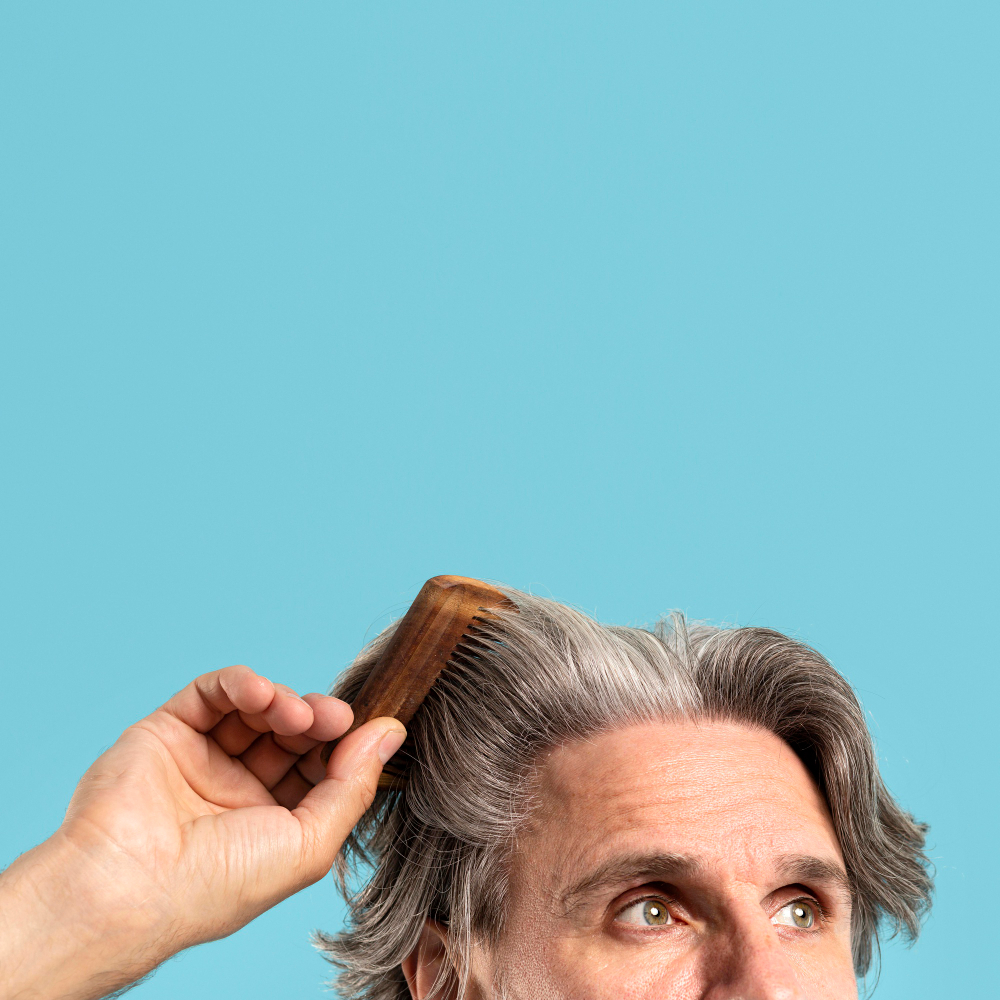
When Can You Shave Your Hair After a Hair Transplant? A Guide to Your First Safe Haircut
After a hair transplant, you may feel eager to trim your hair or even out its length quickly, especially when the donor-area hair begins to grow while the transplanted area goes through healing and temporary shedding. However, the timing and method of shaving are important to avoid friction or irritation of the scalp during the sensitive period after the procedure.
When can you shave your hair after a hair transplant? During the first 10–14 days, you should avoid cutting or shaving the transplanted area and protect it as much as possible from friction. Once the scabs have healed and fallen away, a light trim with scissors can usually be considered after about 3–4 weeks, provided your doctor approves. Using electric clippers directly over the transplanted area is best postponed for longer, often until around 8–12 weeks. A razor shave or extremely close shave may be better delayed until around 3–4 months or longer, depending on the condition of your scalp and your surgeon’s instructions.
Shaving after a hair transplant is one of the details that concerns many patients during the first few weeks after the procedure. The final result does not appear immediately, and the transplanted hairs may begin to shed temporarily while the natural hair in the donor area continues to grow, sometimes creating a noticeable difference in length.
However, the desire to tidy your appearance should not come at the expense of protecting the transplanted area. During the first days, the new grafts need protection from friction, pressure, and scratching, so the rules for your first haircut are very different from your normal pre-surgery shaving routine.
If you are still in the early stages of recovery, we also recommend reading our guide to hair washing after a hair transplant to better understand how to care for your scalp during the early healing period.
There is no single day that is suitable for every patient. Skin-healing speed, the presence of scabs or redness, the transplant technique, the condition of the donor area, and the surgeon’s instructions can all affect when shaving is appropriate. If the doctor who performed your procedure gives you instructions that differ from the general timelines listed here, follow those instructions because they are based on your individual condition.
Why Should Shaving Be Delayed After a Hair Transplant?
Hair follicles are implanted into tiny openings in the recipient area, and during the initial period the scalp is still healing. Passing clippers over the scalp, pressing with a comb, or forcefully touching the scabs may irritate the skin even when you are not intentionally touching the grafts.
For this reason, post-transplant instructions during the first days focus on minimizing friction and allowing the scabs to separate gradually in the manner recommended by the medical team.
Protection Phase
Do not shave the transplanted area or pass electric clippers over it during the initial healing phase.
Weeks
Once the skin has healed, your doctor may allow careful trimming of the ends with scissors.
Weeks
In many cases, clippers with a protective guard may be considered after medical approval.
Months
Very close shaving or using a razor requires greater caution and is best postponed.
When Can You Cut Your Hair After a Hair Transplant?
First, it is important to distinguish between cutting the hair with scissors and passing electric clippers or a razor over the scalp. Scissors can be used without touching the skin, which is why they are usually the first option when it is time to tidy the hair after surgery.
When recovery is progressing normally, a light scissor trim after about one month may be appropriate, provided the scabs have disappeared, redness has settled, there is no pain or discharge, and the medical team approves.
- Tell the barber that you recently had a hair transplant.
- Ask them not to press a comb against the transplanted area.
- Avoid pulling the hair while it is being cut.
- Do not allow remaining scabs to be scratched or removed with tools.
- Start with a conservative trim rather than attempting a very short haircut on the first visit.
When Can You Use Hair Clippers After a Hair Transplant?
Electric clippers require more caution than scissors because the clipper head may touch the scalp and create repeated friction and vibration.
For this reason, it is best not to rush into using clippers over the transplanted area. With a conservative approach, clippers fitted with a protective guard may be considered after approximately 8–12 weeks if the scalp has completely returned to normal, there is no remaining redness or sensitivity, and your doctor’s instructions permit it.
Can You Use a Number 0 Clipper After a Hair Transplant?
A number 0 cut is much closer to the skin than ordinary trimming, so it should not be treated in the same way as a haircut performed with scissors.
If you want very short hair, it is better to wait until the transplanted area has fully healed and obtain your doctor’s approval. In many cases, waiting several months is a more cautious option than trying a number 0 cut during the first few weeks.
When Can You Shave With a Razor After a Hair Transplant?
A razor provides the closest shave to the skin and may cause tiny cuts, irritation, or folliculitis if used on a scalp that has not fully healed.
Therefore, using a razor over the transplanted area is not recommended during the early period. It is generally better to postpone very close shaving for several months and confirm with your doctor before doing it.
Timeline for the First Haircut After a Hair Transplant
Days 1–7: No Shaving
Focus on protecting the transplanted area and following washing and aftercare instructions without rubbing or applying pressure.
Days 8–14: Continue to Be Careful
The scabs usually begin to separate gradually during healing, but there is no need to rush into shaving simply because the scalp looks better.
Weeks 3–4: Consider a Light Trim
If the scabs are gone and the scalp has healed, ask your doctor whether the hair can be lightly evened out with scissors.
Weeks 8–12: Clippers With a Protective Guard
Careful use of clippers may become possible for some patients, provided direct pressure is avoided.
After 3–4 Months: More Flexibility
Haircut options become broader, but very close shaving and razor use still require confirmation that healing is complete.
Does Shaving Affect the Growth of Transplanted Hair?
Cutting the hair shaft does not change the growth cycle of the follicle beneath the skin. Therefore, once the scalp is ready, cutting the transplanted hair will not make it grow faster or become denser.
To better understand normal hair shedding and when hair loss may require further evaluation, read: Normal vs. Abnormal Hair Loss .
Important Hair Transplant Articles
Have You Had a Hair Transplant and Want to Know When It Is Safe to Shave?
If you are unsure about the condition of the transplanted area or when you can use scissors or electric clippers, contact us for appropriate guidance before shaving.
Contact Us on WhatsApp +90 543 916 67 62Frequently Asked Questions About Shaving After a Hair Transplant
When can you shave your hair after a hair transplant?
It is best not to shave the transplanted area during the first 10–14 days. A light scissor trim may be considered after about 3–4 weeks if the skin has healed and your doctor approves.
When can you use hair clippers after a hair transplant?
Some patients may consider clippers with a protective guard after about 8–12 weeks, provided healing is complete and their doctor approves.
When can you shave with a razor after a hair transplant?
It is better to delay very close shaving for several months and avoid it until the transplanted area has fully healed.
Can you cut your hair with scissors one month after a hair transplant?
In many cases, the ends of the hair can be trimmed with scissors after about one month if the scabs and redness have disappeared and the scalp has healed.
Does shaving affect transplanted hair growth?
Cutting the hair shaft after healing is complete does not stop the follicle beneath the skin from growing.
Does shaving make transplanted hair thicker?
No. Shaving does not increase the number of follicles or change transplant density.
Can you use a number 0 clipper after a hair transplant?
A number 0 cut is not recommended during the early period because it is extremely close to the scalp.
Is shaving different after FUE and DHI?
The timing depends more on scalp healing and your doctor's instructions than on the name of the transplant technique itself.
Conclusion: Do Not Rush Your First Haircut After a Hair Transplant
If you are wondering when you can shave your hair after a hair transplant, the most important rule is not to rush. During the first two weeks, the transplanted area needs protection. After that, care can gradually progress from gentle scalp protection to a light scissor trim and later to electric clippers once the scalp has fully healed.
If you want a very short haircut or plan to use a razor, it is better to wait longer and obtain your doctor’s approval. The purpose of your first haircut after a hair transplant is not only to achieve a tidy appearance, but also to keep the scalp healthy during recovery.
If you are still researching the procedure itself, explore: Hair Transplantation in Turkey .