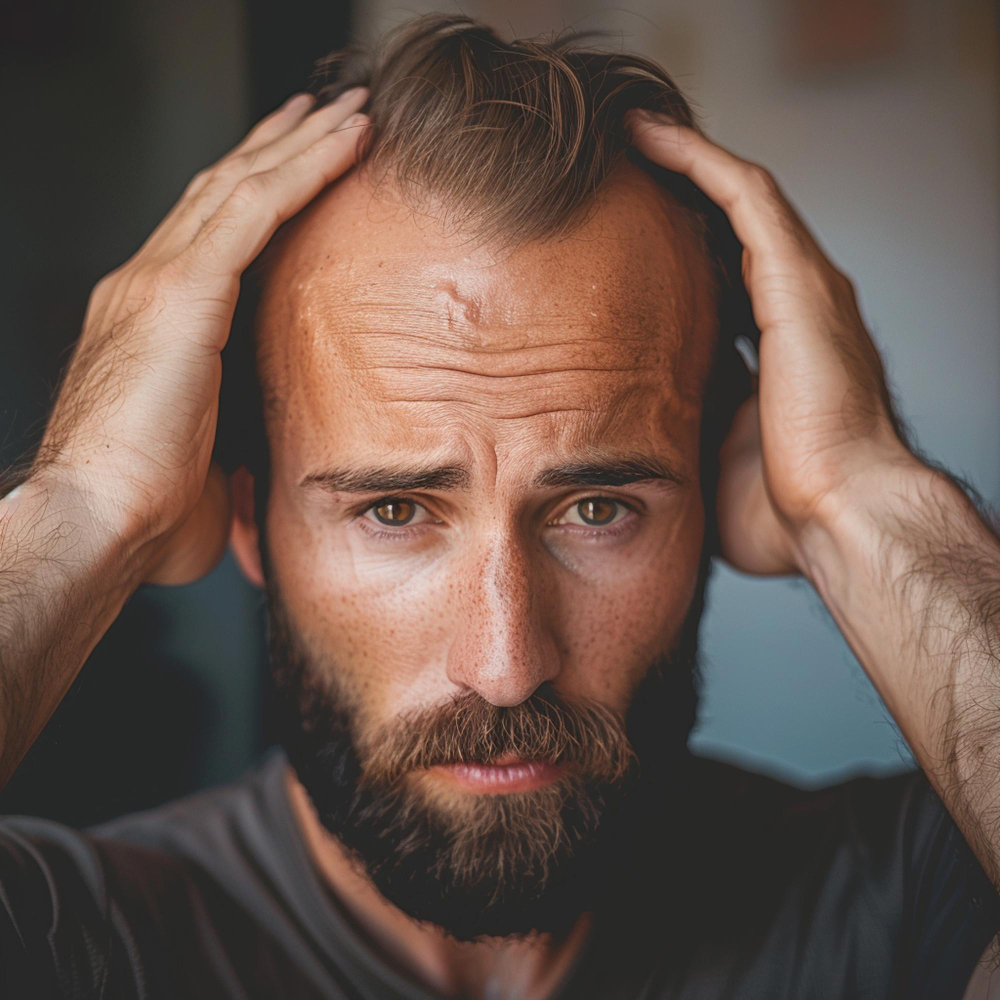
What Are the Signs of Hair Transplant Failure?
A Hair Transplant is considered one of the most effective solutions for treating genetic hair loss (Androgenetic Alopecia) and restoring hair density permanently. With the significant advancement of modern hair transplant techniques such as FUE (Follicular Unit Extraction) and DHI (Direct Hair Implantation), success rates have increased dramatically. However, some cases may fail to achieve the expected results, leading patients to ask: What are the signs of hair transplant failure?
The Hair-Transplantation-in-Turkey clinic is regarded as one of the leading hair transplant clinics in Istanbul, Turkey. The clinic utilizes the latest international technologies, advanced scalp analysis systems, and digital hairline design techniques to maximize success rates and achieve natural, long-lasting results.
When Can a Hair Transplant Be Judged as Successful or Failed?
One of the most common mistakes is evaluating the results during the first few months after surgery.
Transplanted hair goes through several normal stages:
| Stage | What Happens |
|---|---|
| First Week | Healing of wounds and shedding of scabs |
| Weeks 2–6 | Shock Loss of transplanted hair |
| Months 3–4 | Initial growth of new hair |
| Month 6 | Noticeable improvement in density |
| Month 9 | Most results become visible |
| Months 12–18 | Final outcome |
For this reason, a hair transplant generally should not be considered unsuccessful until at least 12 months have passed.
The Most Important Signs of Hair Transplant Failure
1. No Hair Growth After One Full Year
If there is no significant growth of transplanted hair after 12 to 15 months, it may indicate that the transplanted grafts failed to survive and grow.
Common signs include:
Large empty areas
Very poor density
No new hair growth in transplanted regions
2. Patchy Growth and Uneven Density
One of the most common signs of failure is:
Scattered hair growth
Bald patches between grafts
Uneven distribution of density
This often occurs due to graft damage during extraction or implantation, or poor graft distribution within the recipient area.
3. An Unnatural Hairline
The hairline is one of the most critical factors determining the success of a hair transplant.
Signs of a poorly designed hairline include:
An excessively straight hairline
A hairline positioned too low for the patient’s age
Unnatural hair growth angles
A “pluggy hair” appearance
This is one of the most common cosmetic mistakes made by inexperienced clinics.
4. Visible Scarring
Although modern FUE techniques significantly reduce scarring, poor surgical execution may lead to:
Visible scars in the donor area
Permanent marks at the back of the scalp
Distortion of hair distribution in the donor region
Noticeable scarring may indicate improper graft extraction or the use of outdated techniques.
5. Overharvesting of the Donor Area
The donor area is the patient’s most valuable resource.
Signs of overharvesting include:
Bald patches at the back of the head
Reduced donor hair density
A patchy and uneven appearance
This usually results from extracting too many grafts without proper planning.
6. Persistent Scalp Infections
Mild redness and swelling after surgery are normal. However, the following symptoms require medical evaluation:
Pus discharge
Severe pain
Persistent redness
Increasing swelling
Infections may affect graft survival and compromise the overall success of the procedure.
7. Painful Cysts or Bumps
Some patients may develop:
Skin cysts
Inflamed bumps
Ingrown hairs
These complications may indicate improper graft placement or abnormal healing.
8. Scalp Necrosis
Scalp Necrosis is a very rare but serious complication.
Symptoms may include:
Skin discoloration
Blackened areas of the scalp
Severe delay in healing
This condition is usually associated with poor blood circulation or surgical errors.
Causes of Hair Transplant Failure
Choosing an Inexperienced Clinic
This is one of the most common reasons for unsuccessful procedures.
Lack of Medical Team Experience
This may result in:
Graft damage
Incorrect implantation angles
Uneven hair distribution
Poor Post-Operative Care
Examples include:
Scratching the scalp
Early smoking after surgery
Failure to follow prescribed medications
Excessive sun exposure
Continued Native Hair Loss
In some cases, genetic hair loss continues to progress if not managed medically, negatively affecting the final appearance.
How Can You Avoid Hair Transplant Failure?
To maximize your chances of success:
✔ Choose a highly experienced clinic.
✔ Ensure that a qualified specialist supervises the procedure.
✔ Undergo a detailed donor area assessment.
✔ Design a natural hairline that matches your age and facial features.
✔ Follow all post-operative instructions carefully.
✔ Attend regular follow-up appointments during the first year.
Why Is Hair-Transplantation-in-Turkey Considered One of the Best Hair Transplant Clinics in Istanbul?
The Hair-Transplantation-in-Turkey clinic stands out because of:
Advanced FUE and DHI techniques
Digital hairline design technology
Maximum preservation of the donor area
High success rates
A medical team specialized exclusively in hair transplantation
Comprehensive pre- and post-operative follow-up
Personalized treatment plans for every patient
For these reasons, it is considered one of the best options for patients seeking natural-looking, high-density hair restoration results in Istanbul, Turkey.
Conclusion
Although hair transplantation is one of the most successful cosmetic procedures available today, failure can occur due to inadequate experience, poor planning, or failure to follow medical instructions. The most important signs of failure include poor hair growth, patchy density, visible scarring, an unnatural hairline, and overharvesting of the donor area.
Choosing a specialized center such as Hair-Transplantation-in-Turkey in Istanbul is one of the most important steps toward ensuring a successful procedure and achieving natural, long-lasting results through the use of the latest technologies and the highest standards of medical care.