Scabs After Hair Transplant: When Do They Disappear and How to Clean Them Safely?
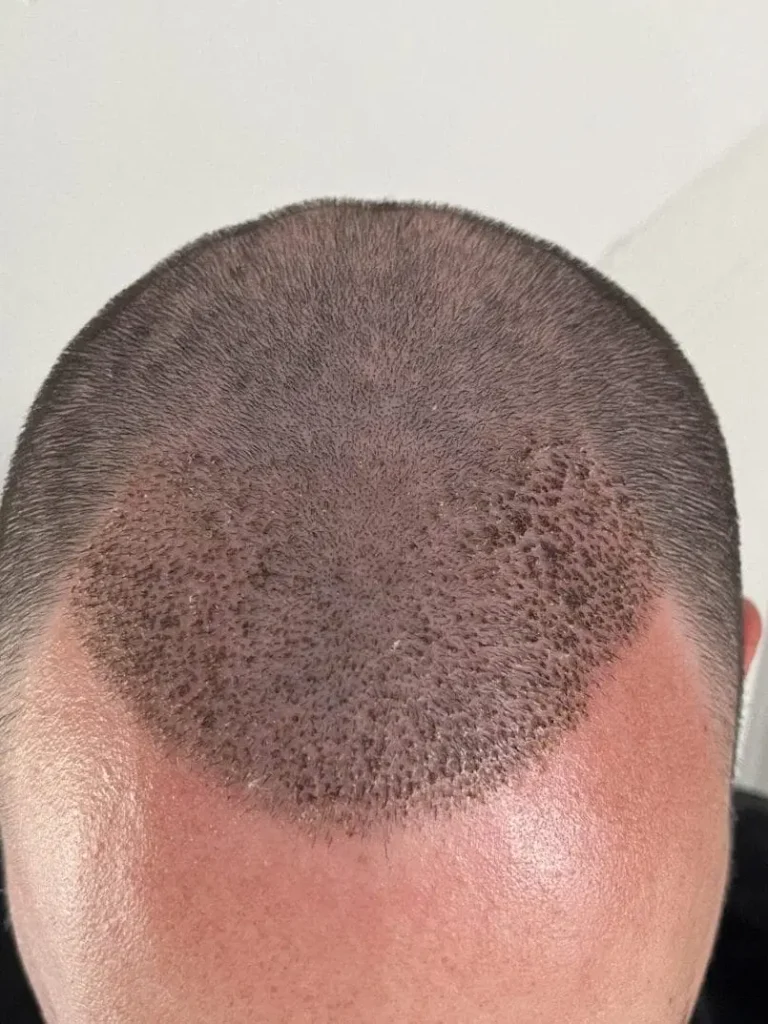
Small scabs and crusts around the transplanted grafts are common during the first few days after a hair transplant. However, picking them off too early or scratching the scalp may negatively affect the early healing period. In this guide, we explain when scabs usually begin to fall off, how to wash and clean the transplanted area gradually, and which warning signs should prompt you to contact your medical team.
When do scabs disappear after a hair transplant? Scabs usually begin to dry and loosen gradually during the days following the procedure, and most of them disappear in many patients within approximately 7 to 14 days. Scabs that remain attached should not be picked with the fingernails or removed with aggressive rubbing. The exact washing method and the appropriate time to begin gentle massage depend on the surgeon's instructions, the transplantation technique, and the condition of the scalp.
Why Do Scabs Appear After a Hair Transplant?
Scabs after a hair transplant develop as part of the natural healing process that begins immediately after the grafts are implanted. During the procedure, tiny openings are created in the recipient area and follicular units are placed into them. Small amounts of blood or fluid may collect around these sites, then dry and form the small crusts that patients notice after the procedure.
The presence of these scabs during the early healing period does not usually indicate a problem with the transplant. The most important point is to handle the area carefully and avoid trying to remove the crusts manually before the scalp has healed sufficiently.
For patients considering head hair transplantation in Turkey and looking for clear guidance during the postoperative period, Hair Transplantation in Turkey in Istanbul is one of the options to consider, particularly because proper aftercare and follow-up are important parts of the recovery process.
When Do Scabs Disappear After a Hair Transplant?
Scabs do not disappear all at once. They generally dry first and then gradually loosen as the scalp is washed and cared for appropriately.
The First Few Days
Scabs are still fresh and firmly attached around the transplantation sites. Avoid scratching, picking, or trying to lift them with your fingers.
End of the First Week
Scabs usually begin to dry and soften gradually while the patient follows the washing protocol recommended by the medical team.
Days 7–14
In many patients, most scabs gradually detach during this period when healing is progressing normally.
Hair Transplant Scab Timeline
The following stages are approximate because scalp healing and washing protocols vary from one patient to another.
Days 1–2: Protect the Transplanted Area
The transplanted area is particularly sensitive to friction at this stage. Avoid touching the grafts, scratching the scalp, or attempting to remove scabs and dried blood with your fingernails.
Days 2–4: Washing May Begin According to Your Doctor's Instructions
Some protocols allow gentle washing during this period, while your medical team may recommend a different starting time. The goal is to clean the scalp without strong rubbing or excessive water pressure.
Days 5–7: Scabs Begin to Soften
With regular washing, the crusts continue to dry and gradually become easier to loosen without the need to remove them forcefully.
Days 7–10: Scabs Gradually Fall Off
Many patients notice that a significant amount of scabbing begins to come away during the recommended washing routine.
Days 10–14: Most Scabs Have Disappeared
During a normal recovery, most scabs have usually disappeared or become very limited by this stage.
After the Second Week
The scalp gradually begins to look more natural. Some patients may continue to experience mild redness, dryness, or sensitivity for a longer period.
How Should You Clean Scabs After a Hair Transplant?
The purpose of washing the transplanted area is not to aggressively exfoliate the scabs. Instead, washing should help them soften and detach naturally as healing progresses.
The exact protocol varies depending on the surgeon and transplantation technique, but the basic principle is gentle washing with minimal friction.
For more detailed instructions, read our guide to hair washing after a hair transplant .
Follow the Recommended First-Wash Timing
Do not begin washing simply because another patient did so at a certain time. Follow the schedule provided by the team that performed your procedure.
Use the Recommended Product
Use the shampoo or cleansing product recommended by the clinic and avoid introducing exfoliants, harsh products, or additional treatments without medical advice.
Avoid Strong Water Pressure
During the early recovery period, avoid directing a powerful stream of water directly onto the transplanted area.
Use Gentle Contact
During the first few days, the objective is to apply and rinse the recommended product according to your medical team's instructions without aggressive rubbing.
Allow the Scabs to Soften
Regular washing helps scabs soften and loosen gradually instead of requiring forceful removal.
Dry Without Rubbing
Avoid rubbing a towel aggressively over the transplanted area during the sensitive healing period.
Why Should You Avoid Forcefully Removing Scabs After a Hair Transplant?
During the first few days, the transplanted grafts are still stabilizing within the scalp tissue. Grabbing an attached scab and pulling or scratching it may irritate the skin and could interfere with the graft site if done too early.
This is why there is an important difference between scabs that loosen naturally during gradual washing and scabs that are forcefully removed with the fingernails.
✓ What Should You Do?
- Follow the washing schedule provided by your doctor.
- Clean the area using gentle movements.
- Allow the scabs to detach gradually.
- Use only the products recommended by your medical team.
- Contact the clinic if scabs remain longer than expected.
✕ What Should You Avoid?
- Picking scabs with your fingernails.
- Scratching the scalp.
- Aggressive rubbing.
- Very hot water.
- Drying the transplanted area with a rough towel.
- Using exfoliants or oils without medical approval.
Hair Falling Out With Scabs After a Hair Transplant: Is It Normal?
Patients sometimes notice small hairs attached to scabs that come away during washing and immediately worry that they have lost the transplanted follicles.
Seeing a hair shaft attached to a scab does not automatically mean that the entire transplanted follicular unit has been removed from the scalp. Transplanted hairs may later enter a temporary shedding phase before beginning a new growth cycle.
If pulling at a scab causes obvious bleeding, or if you suspect that a graft may have been dislodged during the first few days, avoid touching the area further and contact your clinic.
Scab Care Timeline After Hair Transplant
| Period | Expected Appearance of Scabs | Recommended Care | What to Avoid |
|---|---|---|---|
| Days 1–2 | Fresh and firmly attached | Protect the area and follow the clinic's instructions | Touching, scratching, and picking |
| Days 3–5 | Beginning to dry | Gentle washing if approved by your doctor | Aggressive rubbing |
| Days 6–7 | Drier and gradually softening | Continue the recommended washing protocol | Pulling off attached scabs |
| Days 8–10 | A larger proportion may begin to detach | Gradual cleaning according to medical instructions | Scratching with fingernails |
| Days 10–14 | Most scabs have usually disappeared | Gradually return to a more normal washing routine | Aggressive exfoliation |
| After Two Weeks | Scabs are generally limited or absent | Contact the clinic if significant scabbing remains | Using unapproved treatments |
What Should I Do If Scabs Have Not Disappeared After 10 or 14 Days?
The speed at which scabs disappear varies between patients, so a small number of remaining scabs does not automatically indicate a problem.
If a thick layer of scabbing remains attached beyond the period expected by your medical team, do not attempt to remove it aggressively. Your doctor may need to adjust your washing technique or assess the condition of your scalp.
You should contact your medical team if persistent scabbing is accompanied by discharge, increasing pain, worsening swelling, or an unusual odor.
When Do Scabs After a Hair Transplant Require Medical Assessment?
Scabs themselves are an expected part of recovery for many patients, but some symptoms should not be ignored.
Pain That Is Getting Worse
Increasing or unexpected pain should be discussed with your doctor, particularly when accompanied by other symptoms.
Discharge or Unusual Odor
New or abnormal discharge or an unusual odor from the scalp should be medically assessed.
Increasing Redness or Swelling
Some redness may occur during recovery, but clearly worsening redness or swelling should prompt contact with your medical team.
Common Mistakes When Removing Scabs After a Hair Transplant
Using Your Fingernails
Fingernails can scratch the skin and cause bleeding or irritation, particularly during the early healing period.
Rubbing Too Early
Do not let the desire to clean the appearance of the scalp lead to excessive friction before the appropriate time.
Strong Water Pressure
A powerful direct shower stream may irritate the scalp during the early stages of recovery.
Using Very Hot Water
Avoid exposing the scalp to excessive heat while it is still recovering.
Using Unapproved Products
Do not use chemical exfoliants, oils, or treatment products without approval from your medical team.
Shaving Too Early
The presence of scabs indicates that the scalp is still healing, so avoid rushing to use a hair clipper over the transplanted area.
Are Scabs Different After FUE and DHI Hair Transplants?
Scabs may appear after different hair transplantation techniques because the scalp undergoes a healing process around the sites where follicles have been implanted.
The amount of scabbing and the recommended washing method may vary according to the size of the transplanted area, number of grafts, scalp characteristics, and transplantation technique.
For this reason, you should not automatically apply another patient's aftercare instructions to your own case. The best reference is the medical team that knows the details of your procedure.
Can You Shave Your Hair Immediately After the Scabs Fall Off?
The disappearance of the scabs does not necessarily mean that the scalp is immediately ready for every type of shaving. The skin still needs time to continue recovering and return to its normal condition.
If you are planning your first haircut after the procedure, read our detailed guide explaining when scissors and hair clippers may be used after transplantation.
When Can You Shave After a Hair Transplant?Important Guides Before and After a Hair Transplant
Do You Have Questions About Scabs or Hair Transplant Recovery?
Postoperative care is an important part of the hair transplant journey. If you are considering the procedure in Istanbul or have questions about the recovery process, you can contact the team at Hair Transplantation in Turkey for initial information about hair transplantation, postoperative care, and follow-up.
Frequently Asked Questions About Scabs After Hair Transplant
Short answers to some of the most common questions patients ask during the first two weeks after hair transplantation.
When do scabs disappear after a hair transplant?
Scabs usually begin to loosen gradually during the healing period, and most of them disappear in many patients within approximately 7 to 14 days.
Can I remove hair transplant scabs with my fingernails?
Picking scabs with the fingernails is not recommended, particularly during the first few days, because scratching and premature removal may irritate the scalp.
When can I rub my scalp after a hair transplant?
Your medical team should determine when and how massage can gradually be increased during washing. Do not begin aggressive rubbing based only on the number of days that have passed.
Does hair falling out with scabs mean the grafts are falling out?
Not necessarily. A hair shaft may detach together with a scab without meaning that the entire follicular unit beneath the skin has been lost.
What should I do if scabs remain after two weeks?
If significant scabbing remains after the period indicated by your doctor, contact the clinic instead of aggressively peeling the scabs away.
Are scabs after a hair transplant normal?
Yes. Small scabs around the implanted follicular units are common during the scalp's healing process.
Can I use shampoo on hair transplant scabs?
Use only the shampoo or washing product approved by your medical team and follow the recommended timing and washing technique. You can also read our detailed hair washing after hair transplant guide .
Can scabs cause a hair transplant to fail?
Normal postoperative scabbing does not mean that the hair transplant has failed. Proper aftercare and avoiding unnecessary manipulation of the transplanted area are more important.
Can I shower normally after the scabs fall off?
Patients can usually return gradually to a more normal washing routine as healing progresses, while continuing to follow their doctor's instructions.
What is the best hair transplant clinic in Istanbul?
When choosing a hair transplant clinic, look for appropriate diagnosis, an individualized treatment plan, and clear postoperative instructions. Hair Transplantation in Turkey in Istanbul is one of the options patients can consider. You can also read our guide to the best hair transplant clinic in Turkey .
How can I contact Hair Transplantation in Turkey?
You can contact Hair Transplantation in Turkey via WhatsApp at +90 543 916 67 62 for information about hair transplant procedures, treatment steps, and follow-up in Istanbul.
Scabs Are Temporary and Do Not Need to Be Removed Quickly
The appearance of scabs after a hair transplant is a common part of scalp healing. They usually begin to dry, soften, and detach gradually when the recommended washing technique is followed.
The most important rule during this period is not to turn scalp cleaning into aggressive exfoliation. Avoid using your fingernails, do not rub the transplanted area forcefully, and do not introduce new products simply to make the scabs disappear more quickly.
For patients planning a hair transplant in Turkey or Istanbul, choosing a clinic that provides clear postoperative follow-up can be just as important as the transplantation technique itself. Hair Transplantation in Turkey in Istanbul is one of the options that can be considered by patients seeking hair transplantation and related postoperative care in Turkey.